
SiteGround Review 2026: Is It Still Worth Paying Extra For?
Picking a place to host your website feels tougher now than it did before. Not easier, just different – more options muddying the water.
Back then, picking a host meant thinking about space, speed, and cost. These days, where you host shapes how well you rank on Google, affects Core Web Vitals, shows up in AI tools, guards against threats, changes how people feel when they visit, and decides how frequently smart bots find your pages.

Here’s something worth thinking about.
By 2026, does SiteGround justify its higher price tag? Worth the added cost only if specific needs align.
For sure, lots of people online point to this host as a top pick. Praise shows up all over the place if you look. Still, some customers grumble when bills go up after the first term. Prices climb, even while fresh options appear that do just about the same thing at lower rates.
Who really holds the truth here?
This SiteGround review 2026 walks through both sides without leaning too hard either way.
Website owners see things one way. Marketers notice different details. For SaaS teams, performance means something specific. Ecommerce brands care about uptime during sales spikes. Agencies judge based on client needs. Growing businesses look at scalability first. SiteGround gets tested through these eyes, not slogans.
We’ll examine:
- Performance
- Worth every penny you spend on it
- Long-term ownership costs
- Security
- Customer support
- WordPress optimization
- AI readiness
- Who should buy it
- Who should skip it
Eventually, it becomes clear if higher costs bring real benefits – or if switching hosts fits better. One choice fades when the other proves stronger through results.
Quick Answer
For some, spending more on SiteGround makes sense when speed matters. When downtime hurts income, stability becomes a priority. Protection against threats? That counts too. Help from people who know systems – useful if tech issues slow progress. If these things tie into how well your site works, then yes – it holds value going forward.
Still, when cutting expenses matters most, a handful of rivals offer strong results – often with much cheaper starting and ongoing rates.
What matters most isn’t calling SiteGround good or bad. It’s about if its high-end tools actually help your site work better. Value shows up in results, not labels.
SiteGround still recommended in 2026
Fresh shifts have reshaped where websites live online. Speed matters more now than it did before.
Many providers now advertise:
- Unlimited resources
- Free SSL
- AI tools
- CDN integration
- Website builders
- One-click WordPress installation
What once stood out now blends into the background. Most expect them without a second thought.
Behind the scenes, SiteGround’s engineering makes a noticeable difference. Though unseen, the structure shapes every part of performance. Because of tight design choices, speed stays consistent. Even when traffic jumps, systems hold firm.
With smart infrastructure, small details add up. Through clever setup, reliability feels natural. While others cut corners, this one builds deep. Not by accident does it handle growth so smoothly.
Most companies chase cheap prices. This one does not. Speed matters more here – security too – alongside steady operation. Websites stay online, load quick. When traffic depends on Google rankings, ads, or selling online, tiny gains add up.
Faster pages mean fewer drop-offs. Reliable service builds momentum over time. Results grow without shouting about it.
That high-end spot is why folks still pick SiteGround even though it costs more than most shared hosts.
What Is SiteGround?
Out of all the options, SiteGround stands out by focusing on fast, reliable hosting tailored for WordPress sites. Speed matters most when running online shops – this provider builds its system around that need. Picture agencies handling multiple clients; here, tools come ready to manage many projects smoothly.
Growing companies often face changing demands, yet find stability through their scalable infrastructure. Performance isn’t just claimed – it shows up in how quickly pages load and stay online.
Its hosting ecosystem includes:
- Shared Hosting
- Managed WordPress Hosting
- WooCommerce Hosting
- Cloud Hosting
- Reseller Hosting
- Enterprise solutions
Because it keeps upgrading systems, SiteGround stays trusted by avoiding old shared server setups that slow others down.
Its platform incorporates technologies such as:
- Google Cloud infrastructure
- SSD storage
- Built-in caching
- Integrated CDN
- Daily backups
- Advanced security monitoring
- Developer-friendly tools
One thing stands out about SiteGround – it doesn’t drown people in endless hosting plans. Packed options fade into the background while clarity takes center stage. Simplicity shows up, yet power stays close by. Options feel light, never heavy. Advanced tools?
They’re there, just not shouting. The whole setup runs smooth, like it already knows what you need. Fewer choices, more purpose. Confusion slips away quietly.
SiteGround’s top advantage in 2026
Speed grabs most of the spotlight in countless hosting reviews.
True, yet missing part of the picture.
Looking at it differently, what sets SiteGround apart most is how steady they stay over time.
Speed alone won’t save a struggling business site.
They need websites that remain:
- Fast during traffic spikes
- Secure against evolving threats
- Stable during software updates
- Easy to maintain
- Built sturdy enough that it keeps working as things expand. Not perfect, yet handles what comes next without failing
One day fast, the next slow when traffic surges – this kind of hosting drags down income. Users get annoyed when sites stall under load. Search rankings slip without steady uptime behind the scenes.
Uncertainty tends to shrink when SiteGround steps in.
Today, it counts extra that things stay consistent, since AI-driven search tools now judge sites by how accessible they are, whether bots can move through them easily, their overall tech condition, along with how smooth the visit feels for people.
These days, how well your site is hosted slips into your search rankings without much notice.
SiteGround features that matter
What matters most isn’t ticking boxes on a price list. Focus lands where speed meets results – features shaping real traffic flow, actual conversions. Details that shift numbers live here, not in cluttered menus or footnote promises.
Google Cloud Infrastructure
Most cheap hosts stick to outdated servers. Not so with SiteGround. Their system lives on Google Cloud’s backbone instead.
This provides:
- Better scalability
- Faster global routing
- Higher reliability
- Modern networking architecture
Across borders, companies see smoother interactions when users everywhere face fewer surprises. A steady flow of familiarity builds quietly, region after region.
Built-in Performance Optimization
These days, fast websites matter beyond search rankings.
It directly influences:
- Bounce rates
- Conversion rates
- User satisfaction
- AI crawler efficiency
- Core Web Vitals
Optimized performance comes built right in at SiteGround – no need to stack up extra tools. Instead of hunting down plugins, everything works together out of the box. Speed tweaks? Already there.
Efficiency gains appear quietly behind the scenes. Fewer add-ons mean less clutter slowing things down. The system handles heavy lifting before visitors even arrive. Hidden layers fine-tune how pages load each time.
Examples include:
- Dynamic caching
- Static caching
- Browser caching
- Image optimization
- GZIP compression
- PHP optimization
Because it combines tasks, keeping a site running gets easier plus speed goes up. Though separate systems once handled these duties, now one method manages both without extra steps.
Daily Automatic Backups
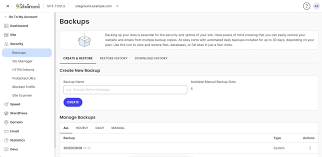
It’s usually quiet around backups – until problems show up.
Besides glitches, mismatched plugins might crash everything. Sometimes bad software sneaks in without warning. Mistakes happen too, often at the worst moment. Each of these slips risks stopping work dead.
Every day, SiteGround saves a copy of your site without you needing to do anything. When something goes wrong, getting things back on track takes just moments because that snapshot is ready. Trouble hits? Recovery happens fast since yesterday’s version sits waiting. No delays pop up when reverting changes – everything lines up smoothly behind the scenes.
When companies work to attract customers or sell things through websites, having extra safeguards matters a lot. Protection becomes key when handling interest from potential buyers online.
Security by Default
Cybersecurity threats continue to increase each year.
Security feels lighter when a host handles more of the burden. Not heavier.
SiteGround includes:
- Free SSL certificates
- Web application firewall
- AI-powered anti-bot protection
- Continuous server monitoring
- Automatic software updates
- Malware prevention systems
Though every host faces risks, SiteGround stands out with solid built-in protection for shared plans. Protection levels aren’t perfect, yet their setup beats most rivals by staying ahead of common threats.
Excellent WordPress Experience
Still topping the charts, WordPress powers more sites than any other CMS. Built right into SiteGround’s setup, support for it feels natural rather than forced.
WordPress users benefit from:
- One-click installation
- Automatic updates
- Staging environments
- Easy migration
- Performance optimization tools
- WP-CLI support
- Developer features
Running a business site, personal blog, online shop, or members-only hub? These tools smooth out tech hurdles while making daily upkeep easier. From setup to maintenance, they keep things moving without extra headaches.
Hosting Impact on SEO and AI Search 2026
Fast, dependable sites now earn favor with search tools and artificial helpers. Technical quality matters more than ever before. A smooth journey online opens doors quietly. Speed plays its part without shouting. Reliability builds trust step by step. Solid structure underneath shows results slowly. Experience shapes outcomes behind the scenes.
Poor hosting can lead to:
- Slow page loads
- Frequent downtime
- Crawling issues
- Higher bounce rates
- Reduced user trust
One thing might shift how easily a page shows up. Another could tilt the odds without showing directly. Each piece plays a quiet role behind the scenes.
When search tools run on artificial intelligence, how fast a site works matters more every day. Because these systems favor pages they can reach without delay, organize easily, pull data from rapidly. Smooth access, clear layout, speed in delivery – these shape what gets seen first.
Your hosting provider isn’t simply an IT choice anymore. Becoming a piece of your overall digital marketing plan happens when performance ties directly to visibility.
When aiming for steady growth over time, building solid systems tends to pay off more than hunting endless short-term SEO fixes.
Over at Digehub, one thing stands out – companies spend big on SEO but forget what holds their site up. Great content needs solid ground beneath it. When servers lag, even smart optimizations lose steam. Want better results in regular searches and AI-driven answers?
Our work in SEO, AI visibility, and website building keeps everything running tight. Give the free blog tool a try – it shapes articles that search engines notice without extra effort.
Who Should Think About SiteGround?
Not every website needs premium hosting.
Most companies getting real results from SiteGround have something in common.
Revenue flows straight from their website. It pulls numbers upward without extra effort. Each visitor adds potential income. Performance ties closely to traffic spikes. Money moves when clicks happen.
Examples include:
- SaaS companies generating inbound leads
- Ecommerce brands processing daily sales
- Agencies managing multiple client websites
- Lawyers and consultants using search engine optimization
- Those who share online content often see more visitors over time
- Established blogs earning through affiliates or ads
A speedier, more dependable site does far more than tweak code for these companies. Because it shapes how people interact, influences visibility online, affects whether visitors stay or go. While smoother journeys often lead to more completed actions, behind every click lies improved structure.
Though results vary, the link between stability and outcomes grows clearer each day.
A well-run site that matters to your work might need better hosting, turning what seems like extra cost into something that supports growth. When the website does real work for the business, spending more on stable service stops being wasteful and starts making sense behind the scenes.
SiteGround Speed and Reliability in 2026?
Premium costs demand top speed. When price climbs, so must power behind the service. High expense only makes sense if speed follows. What good is a steep bill without smooth running? Cost goes up – capability needs to match. Paying more means expecting faster results.
Value shows in how fast pages load. Big money asks for big gains in response time.
While some sites shout about speed, companies usually want what actually works.
When actual users show up, does the hosting still deliver speed without slowing down?
Looking at SiteGround next to other top players, then checking how it’s built inside, a single point becomes clear.
These days, SiteGround still runs strong – yet the edge it once had over cheaper options isn’t quite as wide as before. While performance stays sharp, budget hosts have caught up more than they used to. What was once a clear lead now feels closer, almost neck-and-neck in spots. Even so, speed and reliability haven’t slipped much on their part. The playing field just got tighter lately, that’s all.
Most sites see little change. Yet when it comes to essential business pages, even tiny gains count. Still matters.
Speed Performance
Website speed affects much more than user experience.
It influences:
- Search rankings
- Conversion rates
- Bounce rates
- AI crawler efficiency
- Core Web Vitals
- Customer trust
What makes SiteGround run isn’t just one fix. It’s layers of tech linking in sync. Each part plays a role, feeding into the next. Speed builds through connection, not isolation.
These include:
- Google Cloud infrastructure
- SSD storage
- Built-in server caching
- HTTP/3 support
- Latest PHP versions
- CDN integration
- Optimized database handling
Server-level tweaks handle most improvements, so depending only on WordPress plugins isn’t the full picture. Optimization often takes place behind the scenes where the site runs.
This tends to deliver steadier outcomes most of the time.
Our Perspective
Most sites with steady visitors find pages loading fast on SiteGround. Speed just seems sharper when you browse around.
Pages load quickly.
Still running without a hitch up front.
Most days, paperwork moves faster than expected.
For WooCommerce shops, sluggish checkout screens often mean lost sales. Slowness here hits profits fast.
Core Web Vitals Affect Search Rankings
Even though Core Web Vitals might not drive rankings like before, Google still sees them as signs of a solid site. What matters now is how well the overall experience adds up – smooth pages tend to stay trusted.
A fast website improves:
- User engagement
- Crawl efficiency
- Mobile usability
- Overall search experience
A fresh start matters when chasing solid Core Web Vitals – SiteGround sets up a space where progress feels smoother, assuming your site already runs clean. Speed thrives here if groundwork exists elsewhere.
Hosting alone won’t fix:
- Heavy themes
- Poor plugins
- Massive images
- Unoptimized JavaScript
A strong base matters most when building something that lasts. Where you place your site shapes how it grows over time.
When the base is solid, each extra SEO tweak works more effectively.
SiteGround Prices 2026

Here comes the loudest complaint.
Pricing.
Here’s when people start seeing things differently.
Still priced low at launch, much like rivals in high-end hosting. Though others charge more, it holds its ground without trying too hard.
Later on, that’s when things start to matter.
Renewal pricing.
Most people buy SiteGround when prices are low, yet overlook what it will actually cost later. A temporary deal draws them in but future payments stay high after the discount ends. What seems cheap at first becomes expensive over time without clear warnings upfront. Renewal rates surprise those who did not check beyond the initial offer.
Once the first period ends, costs go up a lot. Renewing after that point means paying more.
Just because it costs more doesn’t automatically mean SiteGround is a bad deal.
That shift alters how people choose what to buy.
Instead of asking:
“Is SiteGround affordable?”
What really matters shifts toward:
“Does SiteGround provide enough additional value to justify paying more over several years?”
Some companies find it works just fine.
Most hobby sites won’t need it.
The Real Cost Of Ownership
Most critiques stumble by spotlighting just the starting rates.
Over time, companies might look at where they keep their systems. Years can pass while checking different spots to store what they run. Looking ahead helps see which place works long term.
Consider:
- Renewal costs
- Domain renewals
- Email hosting
- Backup solutions
- Security tools
- CDN services
- Migration costs
- Performance optimization plugins
At first glance, a budget-friendly host might seem like a smart pick – yet often hides extra fees down the line.
A handful of handy tools come included with SiteGround’s setup. What you get is packed right into the system they offer.
Some of the extra cost at renewal might be balanced out by this.
One step toward fairness means looking past the initial price tag. Figuring out what you really pay over time shows a clearer picture. True comparison hides not in upfront numbers but in long-term expenses. The full story comes from tracking every related charge across months. What matters most reveals itself when all costs are lined up together.
SiteGround vs Budget Hosting
This is where buyers often become confused.
Hosting isn’t simply about finding the fastest server.
It’s about balancing:
- Price
- Reliability
- Support
- Security
- Scalability
Let’s compare the overall positioning.
SiteGround vs Typical Budget Host
| Feature | SiteGround | Typical Budget Host |
|---|---|---|
| Speed | Excellent | Good |
| Security | Excellent | Average |
| Support | Excellent | Mixed |
| Performance Consistency | Excellent | Variable |
| Renewal Pricing | High | Moderate |
| AI Readiness | Strong | Moderate |
| Business Scalability | Excellent | Limited |
Color guide: Green = Excellent/Strong · Purple = Good/Moderate · Amber = Average/Variable · Red = High/Limited
The gap isn’t always dramatic.
But businesses experiencing steady growth usually notice the difference over time.
SiteGround vs Hostinger
These days, Hostinger stands right beside SiteGround as a serious match. A different pace, yet just as sharp.
Its strengths include:
- Lower pricing
- Excellent value
- Modern dashboard
- Good performance
SiteGround still maintains advantages in:
- Customer support
- Developer tools
- Enterprise reliability
- WordPress optimization
- Infrastructure maturity
When money matters most, maybe look at Hostinger.
Because online stability ties straight to earnings, choosing SiteGround makes more sense over time.
SiteGround vs Bluehost
For new users, Bluehost stays popular – not by flashy deals but steady pricing, paired with a name they already know. It sticks around not through bold claims but quiet reliability, showing up where it counts.
SiteGround typically offers
- Faster infrastructure
- Better dashboard
- More advanced caching
- Better support
- Stronger security
For companies thinking ahead, SiteGround often makes the better choice. Long-run goals tend to align well with what it offers. Growth-focused teams usually find their needs met here. Looking years forward? This option frequently supports that path. Plans stretching into the future work smoother with these tools.
SiteGround vs Cloudways
Not everyone fits what Cloudways offers. Its focus leans another way.
Flexibility improves when setup adjusts to cloud needs. Custom tools shape the system as demands shift.
Still, getting comfortable with the tools takes a bit longer.
For developers:
For some, Cloudways could feel like a better fit.
For agencies managing many websites:
One choice fits just as well as the other.
Businesses without tech expertise prefer straightforward solutions
Managing things tends to go smoother with SiteGround.
SiteGround Compared With WP Engine
High up in the premium hosting tier stands WP Engine.
Compared with SiteGround:
WP Engine offers:
- Enterprise-grade managed WordPress
- Advanced workflows
- Premium developer features
SiteGround offers:
- Lower pricing
- Easier onboarding
- Broader hosting options
- Better fit for small and medium businesses
Some groups find most of what WP Engine offers unnecessary. Not every team uses all its features. A few skip it entirely based on actual needs. What works for one might be excess for another. Simpler setups often do just fine without it.
Most times, SiteGround strikes a middle ground.
Choosing SiteGround mistakes people make
Common Hosting Mistakes to Avoid
Most people start shopping for web hosting thinking things will be easier than they really are
Expert Insight
It seems some companies pick hosting just because it costs less right now. What stands out is how little thought goes into future speed or reliability. Saving money up front pulls attention away from what happens later. Over time, that choice can cause more trouble than expected. Performance gaps start showing when it matters most.
Putting aside some cash now seems smart. Yet when visitors leave because pages crawl at busy times, that small saving costs much more later.
Hidden beneath the surface, infrastructure shapes how well websites show up in search results. It affects ad campaigns without drawing attention to itself. User satisfaction ties back to how systems run behind the scenes. Lately, even how machines find and rank content leans on these unseen foundations.
For this reason, think about hosting within the full picture of your online plans instead of seeing it just as a tech buy. While one choice fits somewhere, it might not work elsewhere – so fit it into the wider plan.
Hidden slowdowns might be holding your site back – a technical SEO check usually reveals them. Digehub tackles those gaps through focused work in search engine optimization, building websites, plus smarter visibility using artificial intelligence tools. Problems get fixed early, so traffic, sales, and machine detection stay strong.
Here comes the big one: will choosing SiteGround cost you more than it’s worth in 2026? A clear decision path follows, shaped around your site kind and where your business stands. Peek into what AI might shift in hosting soon after that. Common questions appear later, once everything else settles. The last word lands only when all pieces fit.
SiteGround Worth the Extra Cost in 2026?
Looking at how it runs, what it costs, help when needed, safety measures, system setup, and staying useful over time – deciding feels less like a switch and more like shades of maybe.
What your site needs to do shapes how it should be built.
When a site pulls in customers or keeps income flowing, picking SiteGround often makes sense by 2026. While many hosts fade fast, this one sticks around – solid, steady, doing what it should.
Should your site mostly reflect personal interests and see few visitors or earnings, spending more might not bring back what you put in.
This one thing matters most.
Most budget hosts cut corners. SiteGround skips that. Reliability stands out here instead.
That distinction matters.
Most people who run sites fixate on what they pay each month for hosting. Yet overlooked expenses pop up when pages load too slowly. Outages eat into revenue without warning. Breaches bring hidden recovery tabs. Weak assistance drags problems longer than needed.
A few dollars saved every month might seem helpful, yet it means little when site problems drive visitors away. Technical glitches eat into trust faster than small cuts add up in value.
A solid foundation matters most when companies choose where to run their operations online. Stability often comes from smart choices made early on. What looks like a cost at first might actually hold long-term value. Think of it less as spending, more as building something that lasts. Reliable performance tends to follow those who plan ahead. Future setbacks shrink when systems are set up right from the start.
Decision Tree: Should You Pay Extra or Save Money?
Use the guide below to decide whether SiteGround fits your situation.
Which Hosting Tier Fits You?
Growing business
Low SEO/ad dependency — mid-tier plan recommended
SiteGround Premium
High SEO, ads, or sales dependency — premium investment recommended
Pay Extra for SiteGround If You.
- Start up a site that grows along with your company.
- Depend on organic search traffic.
- Generate revenue through WooCommerce.
- Manage multiple client websites.
- Need reliable uptime.
- Prefer excellent customer support.
- Value strong security without extensive manual configuration.
- Want long-term scalability.
Save Your Money If You.
- A hobby lives online at its own little spot on the web.
- Are launching your first personal blog.
- Hardly anyone will be around. Traffic stays light.
- Only need a simple portfolio website.
- Money is tight, really tight. Not much room to spare at all.
- Happy to dive into technical tweaks on your own.
Website Type Recommendations
Choosing hosting based solely on brand reputation isn’t always the smartest strategy.
Some sites care about speed. Others focus on looks instead. A few put safety first. Each picks what matters most to them.
This is the spot that suits SiteGround most naturally.
SiteGround Fit by Use Case
How well SiteGround performs across different website types
Recommendations by Business Growth Stage
Hosting requirements evolve as businesses grow.
Here’s how we would approach the decision.
Should You Use SiteGround at Your Stage?
| Growth Stage | Recommendation |
|---|---|
| New Website | Budget hosting is usually sufficient. |
| Growing Blog | Consider upgrading to SiteGround once traffic becomes consistent. |
| Small Business | Excellent long-term investment. |
| Scaling Ecommerce | Strongly recommended. |
| Established SaaS | Highly recommended. |
| Agency | Highly recommended. |
| Enterprise | Evaluate alongside higher-end managed cloud providers. |
Pros and Cons
Faults live in every host setup, always have.
While SiteGround brings certain advantages to the table, it carries real downsides too – ones worth knowing about before any purchase.
Pros
- Outstanding website performance
- Excellent uptime reliability
- Premium customer support
- Strong WordPress optimization
- Built on Google Cloud Infrastructure
- Daily automatic backups
- Excellent security features
- User Friendly Site Tools Dashboard
- Developer-friendly capabilities
- Scales well with growing businesses
Cons
- Higher renewal pricing than many competitors
- Limited storage on lower-tier plans
- Free domain is not included on many plans
- For fun sites made just for enjoyment, high price tags often miss the mark
- Some advanced cloud features require higher-cost plans
- Just because there are downsides doesn’t mean SiteGround fails as a host.
- Value shifts based on what matters most to you.
- Should cost matter most, some smarter low-price picks are out there.
When it comes to steady results over time, SiteGround still earns its higher price tag. What keeps users coming back isn’t flash – it’s consistency that builds trust slowly, day after day. Value shows up not in promises but in uptime, support, and systems working quietly behind the scenes. For those who weigh stability above quick wins, this provider stays on their radar – not because of ads, but track record.
Common Buying Mistakes We Still See
Looking back on countless hosting choices through the years, certain trends keep showing up.
Avoid these mistakes before purchasing any hosting provider.
Hosting Decision Mistakes to Avoid
Common pitfalls that cost more than they save
Expert Insight
After reviewing hosting platforms for different business websites, one trend has become increasingly clear.
Companies often treat hosting, SEO, website speed, and AI visibility as separate projects. In practice, they’re closely connected. When one area is neglected, the overall results are usually limited.
We’ve seen websites with excellent content struggle to gain traction simply because slow hosting affected user experience and crawl efficiency. On the other hand, moving to a stronger hosting environment, combined with technical SEO improvements, has noticeably improved performance without changing the content itself.
Personally, one thing I like about SiteGround is how many performance and security features are built into the platform. It reduces the need for multiple third-party plugins, making website management much simpler. If I could suggest one improvement, it would be more competitive long-term renewal pricing, as that’s still the concern I see mentioned most often in communities like Reddit and Quora.
Hosting alone won’t guarantee better rankings. But weak hosting can quietly hold back your SEO, user experience, and even AI discoverability.
If you’re planning to improve your website’s visibility, don’t evaluate hosting in isolation. At Digehub, we help businesses combine technical SEO, high-quality content, AI visibility strategies, and modern website development into one long-term growth strategy. That integrated approach consistently delivers stronger results than optimizing each area separately.
What Matters Beyond 2026 ?
What Matters Beyond 2026?
A fresh shift is starting in web hosting — disk space and one-time low rates no longer set top services apart
Final Verdict
Looking at SiteGround from all sides, one thing stands out. Not every detail adds up, yet the overall picture makes sense. Through each test, a pattern emerged slowly. What started as scattered thoughts became a firm view. Every check pointed in the same direction. In the end, only one outcome felt right.
SiteGround is still one of the best premium hosting providers available in 2026.
What still stands out are its strong points
- Excellent performance
- Reliable uptime
- Outstanding support
- Strong security
- Mature WordPress ecosystem
- Developer-friendly tools
- Scalable infrastructure
- Still stuck on the same flaw it always had.
- Renewal pricing.
Just because it works well for some doesn’t mean SiteGround fits every person right away.
For some companies, a website isn’t just digital window dressing – it becomes something they count on like equipment or inventory.
Spending more on solid hosting makes sense when your site brings in customers. Since growth depends on uptime, skimping here might cost you later.
When visitors stick around because pages load fast, revenue usually follows. Reliable systems support steady results, especially if earning matters. Because slow sites lose trust, better tech quietly pays off over time.
A solid low-cost hosting option might just give you more bang for your buck when setting up a personal blog or trying out your very first site.
Is it really necessary to ask this? Maybe not
“Is SiteGround expensive?”
What really matters? That one cuts deeper
“Will SiteGround’s reliability generate enough business value to justify the additional cost?”
Most expanding companies find it works out that way.
Frequently Asked Questions
If your website already has excellent Core Web Vitals, fast server response times, reliable uptime, and efficient caching, upgrading to SiteGround is unlikely to deliver significant SEO gains. At that stage, improvements are more likely to come from better content, topical authority, and user experience. However, SiteGround can still provide business value through stronger reliability, security, support, and consistent performance under high traffic.
The answer depends more on your website than the hosting provider. For small WordPress blogs, the performance difference is often minimal. However, larger WooCommerce stores, membership sites, and high-traffic websites typically benefit more from SiteGround’s server-level caching, Memcached, optimized PHP, and Google Cloud infrastructure, which provide more consistent performance under heavy load. Instead of relying on PageSpeed scores alone, compare hosting using TTFB, Core Web Vitals, uptime, and load testing.
A business should consider upgrading when website performance begins affecting revenue, SEO, customer experience, or operational efficiency. Typical indicators include increasing organic traffic, frequent resource limitations, slower page loads during traffic spikes, WooCommerce growth, multiple client websites, or a greater need for reliable technical support and security.
The differing opinions usually come from different user expectations. Developers, agencies, and businesses often value SiteGround’s reliability, support, and managed features enough to justify the higher price. Budget-conscious users, hobby bloggers, and first-time website owners frequently focus on renewal pricing, making cheaper alternatives appear more attractive. Both perspectives are valid because they reflect different priorities rather than differences in hosting quality.
Yes. Reliable uptime, fast response times, secure infrastructure, and strong technical performance create a better environment for AI crawlers and search engines to access your content consistently. While SiteGround doesn’t provide AI optimization by itself, it supports the technical requirements needed for AI-powered search platforms like ChatGPT, Gemini, Perplexity, and Google AI Overviews to crawl and reference content more effectively.
Usually not directly. Google does not rank websites simply because they use premium hosting. However, moving to SiteGround can improve server response time, uptime, crawl efficiency, and Core Web Vitals if your previous hosting was limiting performance. Those improvements may indirectly support better rankings when combined with strong SEO practices.
SiteGround provides an excellent technical foundation for SEO, including fast server response times, built-in caching, HTTP/3 support, free SSL, daily backups, and strong uptime. However, hosting alone will not improve rankings. SEO success still depends on content quality, technical optimization, internal linking, Core Web Vitals, and user experience. SiteGround supports these efforts but cannot replace them.
Yes, but not because of the Google Cloud brand alone. The benefit comes from faster networking, improved server reliability, better scalability, and lower latency when combined with SiteGround’s server-level caching, SSD storage, optimized PHP configurations, and CDN integration. Website speed still depends heavily on theme quality, plugins, images, and overall site optimization.
Not necessarily. While competitors have significantly improved their infrastructure, SiteGround still differentiates itself through mature WordPress optimization, Google Cloud infrastructure, premium support, integrated security, and operational reliability. The price gap has narrowed in terms of value, but businesses should compare the total cost of ownership, including backups, security, CDN, and support, instead of focusing only on introductory pricing.
The answer depends on your website’s business value rather than the hosting bill itself. For websites that generate leads, online sales, affiliate revenue, or significant organic traffic, SiteGround’s performance, uptime, security, and support can justify the higher renewal cost. However, personal blogs, student projects, or low-traffic websites may achieve a better return on investment with lower-cost providers that offer comparable basic features.
