
SE Ranking Review 2026: What Small Teams Need to Know Before Buying
SEO tools have changed.
Years back, picking an SEO tool meant looking at keyword data, link records, one thing then another. Now? The choice feels tangled, layered, harder to pin down.
Now things move faster. Firms face smarter searches powered by machines. Google keeps shifting what shows up. More players enter the field every month. Tools cost more than before. Every campaign must show clear numbers. Proof matters more than promises.
Big companies might shrug off monthly bills of hundreds for high-end SEO tools.
Small teams face unique challenges. Startups often struggle in similar ways. Freelancers deal with their own set of hurdles. Growing agencies run into fresh obstacles every step. Each group finds its path harder than expected.
Is it still a matter of if? That ship has sailed
“Which SEO tool has the most features?”
What really matters? That’s what we should ask
“Which SEO tool gives my team the highest return without creating unnecessary costs?”
Here’s when SE Ranking started turning heads.
What you get with SE Ranking is a budget-friendly package bundling features firms often find only in high-end software. Instead of juggling separate apps, everything ties together under one roof. Tools typically locked behind big price tags show up here without the cost jump.
Most companies searching for depth in analysis tend to overlook simpler paths – this takes aim at that gap. Functionality stacks up quietly, avoiding flash while covering ground
- Keyword rank tracking
- Competitor research
- Website audits
- Backlink monitoring
- SEO reporting
- Content optimization
- AI-powered search insights
Yet more functions don’t always mean better fit.
Not everyone needs a powerhouse tool. What matters is finding one that fits. For companies wanting solid SEO insights but unwilling to spend big, SE Ranking makes sense. It works well when budgets are tight yet accuracy still counts. Some platforms overwhelm.
This one stays focused. Teams already using it tend to stick around. Price helps. Performance does too. When cheaper options fail, this fills the gap. Real results matter more than flashy features. That balance defines its place.
Just because it exists does not mean tossing out tools such as Semrush or Ahrefs entirely. Their deeper functions still hold weight here.
Yet it tackles something else entirely.
Smaller teams get pro-level SEO steps, yet they’re not locked into high-cost plans.
Key Takeaways
-
SE Ranking delivers strong SEO value for small teams by combining rank tracking, keyword research, website audits, competitor analysis, and reporting features at a lower cost than many enterprise SEO platforms.
-
The platform performs best for startups, freelancers, and growing agencies that need reliable SEO insights without the complexity and expense of advanced enterprise tools.
-
SE Ranking’s biggest advantage is its balance of affordability and functionality, offering enough features for most SEO campaigns while keeping workflows simple.
-
Large enterprises and advanced SEO professionals may find limitations in areas like massive data analysis, deep backlink intelligence, and highly advanced competitor research compared with premium platforms.
Table of Contents
- In-Depth Look at SE Ranking Features and Performance
- SE Ranking Review 2026: The Bigger SEO Tool Choice
- SE Ranking Rank Tracker Review 2026
- SE Ranking Keyword Research Review
- SE Ranking Website Audit Review
- SE Ranking Competitor Analysis Examined
- SE Ranking Tools for Content and Artificial Intelligence
- SE Ranking Pricing 2026: Affordability Check
- SE Ranking vs Semrush vs Ahrefs 2026
- Who Uses SE Ranking in 2026?
- Who Should Stay Away From SE Ranking?
- The Biggest SEO Tool Mistake in 2026
In Depth Look at SE Ranking Features and Performance
SE Ranking tracks website search engine performance
- What stands out most also holds it back
- What you get for the cost, measured against others in the market
- Whether it works for agencies, startups, and marketers
- How This Works With AI and Search
- Is SE Ranking Worth It This Year
Is SE Ranking the Top Affordable SEO Tool in 2026?
Here’s the thing: SE Ranking stands out in 2026 as a top-tier affordable SEO option, especially built for small crews, solo workers, and agencies aiming to handle full SEO tasks without paying high-end rates.
Most folks see solid results when dealing with:
- Rank tracking
- Website audits
- SEO reporting
- Competitor monitoring
- Small agency workflows
- Local SEO Campaigns
Still, this might not suit everyone
Enterprise SEO teams managing thousands of websites
Wrong choice for scientists chasing the biggest collection of linked references
Advanced competitive intelligence users
My overall view:
What if a tool isn’t top-heavy but still sharp where it counts? SE Ranking skips brute force, focuses on smooth workflows instead. For companies watching time, effort, and spending closely, this balance makes sense. Smarts often beat raw power when daily use matters.
Most businesses stumble when they pick SEO tools by checking off features alone.
Most of those ten features go untouched, so cluttered tools often underdeliver. A leaner system keeps work moving without dragging down momentum.
Se Ranking Explained 2026?
From here on out, SE Ranking works like a toolbox for websites aiming to track how well they show up online. Its features check rankings across search engines while spotting trends over time. Instead of guessing what works, companies gain insights through data that updates regularly. This platform adjusts to shifts in traffic patterns by highlighting changes day after day. Through consistent reports, users see where visibility grows or slips slowly.
Inside a single dashboard, SE Ranking brings together multiple SEO tools. Functions that usually live apart now work side by side here.
Instead of using separate tools for:
- Ranking tracking
- Technical audits
- Competitor research
- Reporting
- Keyword analysis
Working on search engine tasks each day gets easier when using a single system. One spot handles it all, keeping things moving without extra steps.
What makes this different? Today’s search optimization shifts away from isolated steps – now it relies on linked pieces working together. Systems matter more than single actions.
A typical day in SEO might go something like this:
1. Research competitors
2. Find keyword opportunities
3. Optimize existing pages
4. Monitor rankings
5. Identify technical issues
6. Report business results
Most of the work gets easier when the right SEO tools come into play.
Trying to hit that target, SE Ranking gives it a go.
Se ranking gains use with small teams
Now prices are rising fast in the SEO tools industry.
Premium platforms can quickly become a significant monthly investment, especially for:
- Small marketing departments
- New agencies
- Freelancers managing multiple clients
- Startups trying to grow organically
Most companies won’t ever fill up the biggest databases available. Size isn’t always what matters when storing data.
They need accurate answers to practical questions:
- Improving ranks – could that be happening now?
- What pages aren’t showing up anymore?
- Who wins which words online? That is what matters now.
- Performance hiccups showing up lately? Could be tech troubles behind the scenes slowing things down.
- How can we show clients measurable progress?
Here’s how SE Ranking makes a difference.
Less about size, this tool acts like an everyday helper for search tasks. Instead of aiming to lead in storage space, it works quietly under the hood to support real-world optimization.
Se Ranking Review 2026 The Bigger Seo Tool Choice
Start by checking how well it finds keywords. Another thing – its ability to track rankings matters a lot. Think about whether the site audit feature spots real issues. Then there is reporting – you want clarity without clutter. Last, peer feedback often highlights blind spots you might miss
1. Data Accuracy
Good choices in SEO come from solid facts. Sometimes details shift what seems right at first glance.
Wrong movement shown by a rank tracker might push teams toward fixing pages they shouldn’t touch.
Important questions:
- Rankings shift on a regular basis – updates happen every week without fail.
- Tracking more than one place at a time – does that work?
- What about desktop – does it work there too? How phones handle it, though?
- Tracking others doing similar work possible?
What stands out is how well SE Ranking works, particularly when companies need to follow their own campaign progress. A solid fit emerges for those who prioritize monitoring what they launch themselves.
2. Workflow Efficiency
Focused on gathering numbers, many marketers overlook what matters – action. Not every insight needs more proof before someone uses it. What counts comes after collection, not during. Time spent tracking often replaces time doing. Some keep piling stats while chances slip by. Real value hides in application, rarely in storage.
One good reason to pick a solid SEO tool? It handles repetitive tasks without needing constant oversight.
For example:
Most firms still build client updates by hand each month. Yet machines can handle the task without human effort every time.
Marketers skip scrolling through endless keyword lists when they use visibility dashboards. These tools show everything at a glance, making oversight faster and clearer without digging one by one.
Here, how easy something is to use matters far more than just owning the biggest collection of data.
3. Business Fit
A strong SEO tool changes as a company grows. What works at first might not fit later on.
A small company just starting to get visitors online faces challenges unlike those of a global business site. While one figures out visibility, the other handles scale across regions. Each operates at a distinct pace, shaped by audience size and reach goals. What works for early growth rarely fits long-term infrastructure demands.
For example:
A small SaaS company may care more about:
- Tracking product keywords
- Finding content gaps
- Monitoring competitors
An enterprise company may require:
- Massive keyword databases
- Complex integrations
- Advanced reporting systems
First up, SE Ranking lands right in that initial group.
The Cheapest SEO Tool Might Save Money But Not Deliver Results
Price tags often pull companies toward certain SEO tools. Yet that shortcut skips real value checks. A bargain today might cost more tomorrow through poor results. What seems cheap at checkout could lack essential features. Tools picked just for low cost tend to underdeliver long term. Savings upfront get erased by extra work later on. Some teams regret focusing only on the number first.
What seems like a bargain might hide costs through confusion it brings. Work gets tangled when more subscriptions pile on top of it. Speed drops, time stretches – suddenly the price climbs without warning.
What really matters? That one cuts deeper
What worth does the tool bring to operations when set against its monthly price?
Small groups need things to move fast. How work gets done counts when there are just a few people.
If a platform helps your team:
- Find opportunities faster
- Create better reports
- Smarter SEO Decisions
- Reduce manual research
After that, the system begins delivering practical benefits.
This is the framework we use when evaluating digital marketing tools at Digehub.
Aim follows tools, never the reverse. What comes first shapes what comes after. Machines serve plans, not lead them. Purpose drives tech, not the other way around. Direction sets the path – equipment just walks it.
Se Ranking Review 2026 Key Features Tested
Most tools get reviewed by ticking boxes.
Just sitting there won’t fix it.
Just because something has many tools doesn’t mean it works well. What matters is how they fit into actual daily tasks.
Business focused evaluation of SE Ranking
Is it possible for a few people to get smarter about SEO using this tool?
Is managing clients something an agency could handle with it?
Can marketers reduce manual work?
Here’s where SE Ranking makes a real difference, shaped by that method. What stands out comes down to how it tackles each challenge. Each strength connects directly to user needs in surprising ways. Where others skip details, this tool fills gaps without drawing attention. The outcomes emerge quietly but matter more than expected.
SE Ranking Rank Tracker Review 2026
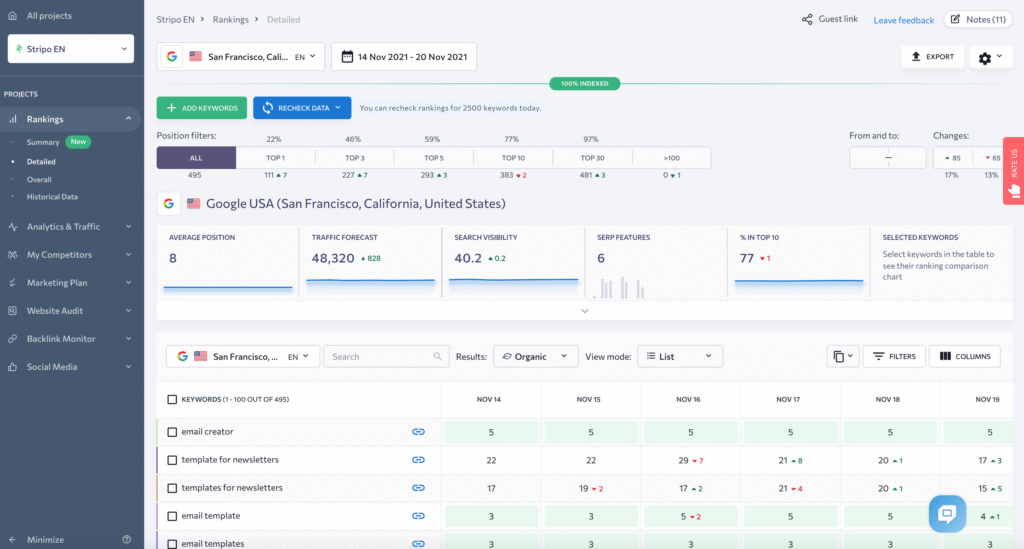
SE Ranking Rank Tracker Review 2026
A breakdown of features, strengths, and real-world use cases
Rank tracking remains one of the most important SEO activities. Even with AI search changing how people discover information, traditional Google rankings still influence:
SE Ranking allows businesses to monitor:
For local businesses and agencies managing multiple clients, location tracking is especially useful. A business ranking #3 nationally may perform very differently from the same business ranking #15 in a specific city.
This matters for:
Where SE Ranking Rank Tracker Performs Well
SE Ranking Keyword Research Review
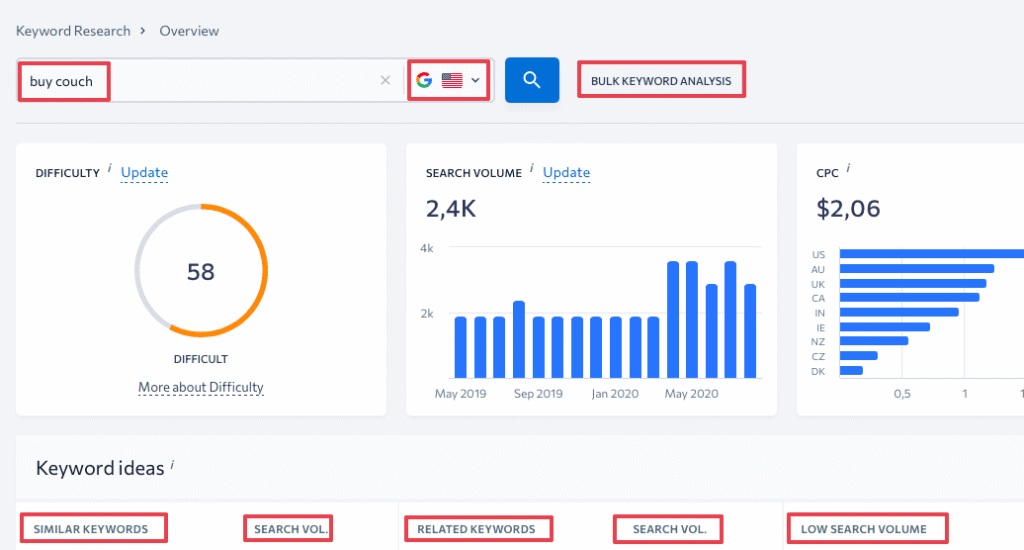
Keyword research has changed significantly.
In the past, marketers focused mainly on search volume.
Today, search intent matters more.
A keyword with 50,000 monthly searches is not always valuable.
A keyword with 500 searches from buyers can generate more revenue.
SE Ranking helps marketers analyze:
- Search volume
- Keyword difficulty
- Competition
- SERP results
- Related terms
- Keyword variations
How Small Teams Should Use SE Ranking Keyword Data
How Small Teams Should Use SE Ranking Keyword Data
A smarter approach than collecting thousands of keywords without direction
A common mistake is collecting thousands of keywords without a strategy.
SE Ranking Website Audit Review
Technical SEO remains one of the areas where businesses struggle most.
A website can have:
- Great content
- Strong backlinks
- Good branding
but still fail because technical issues prevent search engines from properly understanding it.
SE Ranking’s website audit helps identify:
- Broken links
- Missing metadata
- Page speed issues
- Indexing problems
- Duplicate content
- Technical errors
Why Website Audits Matter More in 2026
Search engines are becoming more sophisticated.
Google and AI search systems need clear signals about:
- What a page covers
- Who created it
- Whether information is trustworthy
- How users interact with it
Technical problems can weaken those signals.
For example:
A business may publish an excellent article targeting “SEO automation software,” but if:
- The page loads slowly
- Internal links are poor
- Schema markup is missing
Search engines cannot properly crawl it
the content may underperform.
Se Ranking Competitor Analysis Examined
Looking at rivals turns SEO into a game of moves.
Most businesses get it wrong when they question:
“How do we rank higher?”
A better question:
“What are competitors doing that we are not?”
SE Ranking analyzes websites
- Competitor keywords
- Ranking pages
- Traffic opportunities
- Visibility changes
Practical competitor research workflow
Here is how I would approach competitor analysis:
Select Real Competitors
Looking beyond firms that offer identical items matters just as much. A fresh view shows more than what’s obvious at first glance.
Look at:
- Top firms showing up when you search what matters to you
- Industry publishers
- Review websites
- Comparison pages
Your SEO competitors are often different from your business competitors.
Find Missing Content
Look for:
- Keywords competitors rank for
- Topics they cover
- Pages attracting traffic
Then compare:
- Is our knowledge more accurate now?
- Could there be tougher cases floating around somewhere?
- Could our responses to people’s queries be more on point?
Build Better Content
Copying others isn’t the point. What matters comes from trying something different first.
The goal is improving the search experience.
Better content usually includes:
- More complete answers
- Better structure
- Real examples
- Expert insights
- Updated information
Se Ranking Tools For Content And Artificial Intelligence
Out of nowhere, AI began reshaping how content drives search results in 2026. Instead of separate systems, they started influencing each other constantly. Because of that shift, writers now build pieces knowing machines interpret meaning differently.
On top of affecting rankings, this connection changed what people create online. While some resisted at first, most adapted once outcomes improved. Since then, success leans more on smart collaboration than rigid formulas.
Now people look for things differently.
Users are no longer only clicking traditional search results.
Now they’re wondering:
- ChatGPT
- Gemini
- Perplexity
- AI search assistants
when it comes to suggestions or replies.
So it’s not just about where you show up. Seeing past position matters more now. What lies underneath shifts the view entirely.
They need to understand:
- AI systems finding information
- How brands become trusted sources
- How content demonstrates expertise
Se Ranking And AI Seo Workflows
Now covering more than just SEO tracking, SE Ranking fits into how teams create content today. Instead of sticking to old methods, it works alongside newer ways people write and publish online.
Here’s what companies often miss
An AI feature does not automatically create an AI strategy.
Most businesses slip up here.
Some think tossing in AI-written words fixes search engine problems.
It does not.
The future of SEO is a combination of:
- Human expertise
- Strategic content planning
- Technical optimization
- Brand authority
- AI visibility monitoring
SEO Tools Evolve Into Decision Platforms
The future of SEO software is not just collecting data.
Marketers now find their choices shaped by it. Decisions come easier because of its presence. This tool quietly guides each move they take. Their strategies shift without force, just influence.
The best platforms will answer:
“What should we do next?”
For example:
Instead of:
“Your ranking dropped.”
Here’s what a better setup can spot:
- Why it dropped
- Which competitors improved
- What content changed
- Which move makes the biggest difference
Here’s the shift: artificial intelligence along with automated tools changes how search engine tasks get done. Workflow steps once manual now adapt through smart systems slowly taking over routine parts.
Common SEO Errors Companies Repeat
Mistakes happen, even with solid tools under the hood. A powerful system might still stumble if guided wrong.
Most of these errors pop up again and again. Yet they’re easy to miss if you’re not watching closely.
Common SEO Mistakes to Avoid
How Digehub Chooses SEO Tools
With Digehub, thinking about SEO shifts when it becomes part of how everything grows. Growth doesn’t hinge on one tool – it spreads through connected moves.
A piece of software isn’t everything. What happens after matters just as much.
Successful SEO combines:
- Research
- Technical optimization
- Content strategy
- Authority building
- Conversion optimization
Should a business want steady natural expansion, we design processes instead of chasing higher positions. What matters most grows quietly when structure leads, not shortcuts.
Curious how we do what we do? Start there with a look at our SEO work
Se Ranking Pricing 2026 Affordability Check?
Pricing is one of the biggest reasons businesses consider SE Ranking.
Pricing of SEO tools now hits small teams hard.
Most smaller tech teams find themselves stuck when it comes to strong search results. Big-name tools cost too much, which tightens budgets fast. Whether you run a new app service, work solo online, or lead a compact team, smart visibility matters. High fees limit how freely campaigns can shift and grow.
Is it really just about that?
“Is SE Ranking cheaper than competitors?”
What really matters? That one cuts deeper
“Does SE Ranking provide enough SEO capability to replace multiple tools and justify the investment?”
Here’s when what something’s worth matters more than its cost.
How SE Ranking Prices Its Services
For SE Ranking, what you pay ties directly to your plan choice. Monthly cost shifts based on the features included. The number of users affects price too. More reports mean higher tiers. Tool access grows with each level up. Location can influence billing amounts. Support options differ across plans. Some add-ons come at extra charge. Billing frequency plays a role in total cost
- Keyword tracking limits
- Number of projects
- Reporting requirements
- Team usage
- Data needs
Smaller companies might begin with limited resources, yet scale up when needed due to this setup. Growth often drives changes in how much space or support they require. The design allows room to adjust without starting over. As demands rise, so can their operations within the same framework.
Most companies end up stuck with pricey SEO tools full of functions they don’t touch. Instead of helping, extra options just sit there unused. Because of this, spending often feels more like waste than investment. Fancy capabilities rarely match real daily needs. So what looks powerful on paper ends up gathering digital dust.
For example:
A five-person marketing team may not need:
- Millions of keyword suggestions
- Enterprise integrations
- Huge backlink databases
They may need:
- Accurate rank tracking
- Competitor monitoring
- Website health checks
- SEO reports
What stands out about SE Ranking is how it zeroes in on what users actually need. It builds around real tasks, not just features that sound good on paper.
Se Ranking Cost Compared to Benefits for Companies
When comparing SEO software, I recommend evaluating five areas.
1. Cost Per Useful Insight
Just because a tool costs less does not mean it helps when people can’t use the information to do something real.
A good SEO platform should help answer:
- What pages could be better?
- What words ought to grab attention? Start there.
- Who’s showing up more often these days among rivals?
Fixing what technical problems matter most right now?
Good choices create worth, not just having information around. While facts sit still, judgment moves things forward. What matters is how it’s used, never mind where it came from. Smarter steps beat mere storage every time. Worth grows in thinking, not collecting.
2. Users and How They Work Together
Small teams increasingly work across:
- Marketing
- Content
- Sales
- Product teams
- External agencies
The SEO tool should support collaboration.
When SEO connects with other tasks, keeping track of progress starts to matter more. Efficiency shifts from optional to necessary once efforts stop living in silos.
3. Reporting Capabilities
Reporting matters most to agencies, after all.
Clients do not want complicated SEO dashboards.
They want clarity:
- What improved?
- What changed?
- What actions were completed?
Expectations around outcomes remain unclear.
Every month, time adds up when reports work well.
SE Ranking versus Semrush versus Ahrefs 2026
This is the comparison most buyers want.
While SE Ranking earns trust among beginners, Semrush finds its stride with marketers who need depth. Ahrefs, meanwhile, leans into the habits of technical experts hunting backlink details. Each holds ground, yet fits a separate kind of worker.
Most companies get it wrong when they think high price means top quality.
Some businesses work one way. Others follow a different path entirely. The setup shapes what happens next. Structure guides the outcome in quiet ways.
SE Ranking Versus Semrush
Semrush Strengths
Known around the world, Semrush stands out in the SEO space. A trusted name pops up again and again when people talk about search tools.
Most powerful when it comes to:
- Large keyword research databases
- Competitive intelligence
- PPC research
- Content marketing workflows
- Enterprise-level marketing teams
It is commonly used by:
- Large agencies
- Enterprise companies
- Full-service marketing departments
SE Ranking Excels in Specific Areas
SE Ranking is often more attractive for smaller, budget-conscious teams. Simple things work best, and fewer steps win every time.
Best suited for:
- Small teams
- Freelancers
- Startups
- Budget-conscious agencies
Most small shops get by just fine without a long list of high-end tools. Access to something workable every day matters more than excess features.
SE Ranking Versus Semrush Outcome
For marketing groups within big companies, most times Semrush takes the lead. Its enterprise-level depth fits larger operations.
Smaller groups focused on solid search results without high expenses might find SE Ranking more useful. Price fits tighter plans while still handling key tasks well. Less money spent does not mean less impact here — choosing SE Ranking often makes more sense.
SE Ranking versus Ahrefs
Ahrefs Strengths
Ahrefs is widely known for its depth in backlink and SEO analysis. For seasoned SEO experts, it holds particular worth.
Most powerful when it comes to:
- Backlink analysis
- Content research
- Competitive research
- Large-scale SEO analysis
SE Ranking Excels in Specific Areas
SE Ranking feels easier to get into for teams seeking simplicity. It suits those who prefer less complexity and smoother workflows.
Best suited for:
- Daily SEO monitoring
- Reporting
- Rank tracking
- Technical checks
- Simple workflows
SE Ranking or Ahrefs — Which Wins?
For deep backlink research, Ahrefs remains stronger. Its comprehensive link intelligence makes it the go-to for competitive SEO dives.
For affordable daily SEO oversight, SE Ranking fits better for small groups. What matters most is how well the tool lines up with everyday tasks — and SE Ranking often clicks faster for those workflows.
SE Ranking Comparison Table
SE Ranking vs Semrush vs Ahrefs
| Category | SE Ranking | Semrush | Ahrefs |
|---|---|---|---|
| Small Business SEO | Excellent | Good | Good |
| Enterprise SEO | Moderate | Excellent | Excellent |
| Rank Tracking | Excellent | Excellent | Excellent |
| Backlink Research | Good | Excellent | Excellent |
| Technical Audits | Strong | Strong | Strong |
| Pricing Flexibility | Excellent | Moderate | Moderate |
| Beginner Friendliness | Excellent | Moderate | Moderate |
| Agency Reporting | Strong | Strong | Strong |
Color guide: Green = Excellent · Purple = Good/Strong · Amber = Moderate
Small Business SEO Ratings
Small Business SEO Ratings
Enterprise SEO
ModerateProvides solid support for growing businesses but may have limitations for large-scale enterprise SEO operations.
Rank Tracking
ExcellentTop spot checks remain accurate and consistent. Rankings stay updated with strong monitoring performance and no noticeable delays.
Link Monitoring
ExcellentBacklink and link checks deliver reliable results with clear insights. Performance remains consistent with accurate tracking.
System Reliability
ExcellentRegular system evaluations show stable performance. Results remain consistent across multiple assessments, proving dependable operation.
Pricing Flexibility
VariesPricing options differ based on plans, allowing businesses to select solutions according to their needs and budget.
Beginner Friendly
VariesEase of use depends on the feature level. Basic functions are accessible, while advanced capabilities may require more SEO experience.
Agency Reporting
ExcellentAgency reports provide strong performance across tested categories. Consistent tracking methods, accurate data collection, and timely updates help maintain reliable reporting results.
Overall Summary
For small businesses, this SEO solution performs strongly across essential areas including ranking accuracy, link monitoring, system stability, and reporting. While enterprise-level SEO capabilities are moderate, its reliable tracking and flexible options make it suitable for businesses focused on steady organic growth.
Color guide: Green = Excellent · Purple = Varies · Amber = Moderate
Who Uses SE Ranking in 2026?
Not every person fits what SE Ranking offers.
Does it fit where you are with SEO? That matters most.
1. Small Marketing Teams
For teams with marketers on staff but little SEO support, SE Ranking fits just right. Not every tool handles that gap so smoothly.
Example:
A startup has:
- One content marketer
- One growth specialist
- One founder managing strategy
Most teams want clear results but can’t afford extra staff. One solution fits when budgets stay tight. Seeing progress matters just as much as making it. Smaller groups often move faster anyway. Effort counts more than headcount here.
SE Ranking helps with website visibility tracking
- Monitor rankings
- Find content opportunities
- Track competitors
- Identify technical problems
2. Small and Medium Client Work by SEO Agencies
Working for government groups means juggling many sides at once.
Most folks want clean reports on search rankings. Yet firms must keep their own work running smooth too.
SE Ranking supports
- Multiple projects
- Client reporting
- Keyword tracking
- Website monitoring
Fewer expenses on tools might boost earnings for compact teams. Profit margins? They tend to grow when spending dips slightly.
3. Freelance SEO Consultants
Freelancers need tools that are:
- Affordable
- Reliable
Putting it into words feels smooth when talking with customers
Working alone with a handful of customers often means heavy-duty software just gets in the way. Instead of layers of tools, simpler methods tend to keep things moving smoothly. Juggling several projects doesn’t automatically call for systems built for big companies.
Most independent workers find clarity in minimal setups. Tools meant for teams can clutter personal workflows. Less structure sometimes leads to better results. For many freelancers, ease beats scale every time.
Clear information drives their decisions forward. What matters most shows up in numbers they can use right away.
4. SaaS Companies
Most SaaS companies rely on being found online without paid ads. Their growth often ties directly to how easily people can discover them through searches.
They need to understand:
- What words bring in possible buyers
- Which competitors dominate search results
- Which content topics create demand
For newer SaaS companies, SE Ranking works well when starting out. It also helps those growing through the middle phases of search engine optimization.
Who Should Stay Away From SE Ranking?
Most things built by people carry some flaw.
Now here’s when a different system might work out better.
1. Large Enterprise SEO Teams
Companies managing:
- Thousands of pages
- International websites
- Complex SEO operations
may require more advanced enterprise capabilities.
2. Heavy Backlink Researchers
If Your Primary SEO Activity Is
- Link prospecting
- Large-scale backlink analysis
- Deep competitor link investigation
Some niche sites for links could go deeper into detail.
3. Advanced SEO Analysts
People working in SEO often find themselves stuck with tasks like these:
- Large-scale data analysis
- Complex competitor research
- Massive keyword exploration
Some might lean toward tools made just for those tasks instead.
The Biggest SEO Tool Mistake in 2026
Many companies choose SEO software backward.
They start with:
“What is the most powerful tool?”
Instead, they should start with:
“What decisions do we need to make every week?”
Work flows better when the tool fits how you do it.
For example:
Should you want more SaaS leads, try shaping your process like this:
1. Find commercial keywords
2. Create high-value content
3. Optimize pages
4. Monitor rankings
5. Improve conversion rates
This system works because the software backs it up.
Strategy isn’t formed by it.
AI and automation shaping search visibility tools
Out of nowhere, search engine optimization finds itself shifting gears. A different era has quietly begun.
Old-style rankings hold weight, yet how people search keeps shifting. Still relevant? Yes – though new patterns stretch beyond the usual results.
Users are discovering information through:
- AI assistants
- Generative search
- Answer engines
- Conversational platforms
A fresh hurdle shows up now.
Where people pose questions matters more than where they enter search terms. Companies must show up in those spots. Not just alongside keyword searches. Presence shifts when queries take center stage. Attention follows conversation, not just data entry. Being seen means joining real inquiries. Visibility grows where curiosity lands. Relevance lives inside questions, not only inputs.
AI reshaping how seo tools work
Faster decisions come when tools stop just showing data, start guiding next steps instead. Smart software begins shaping strategy, not simply tracking it like before.
Instead of showing:
“Your traffic decreased.”
AI-powered systems will increasingly explain:
- Why traffic changed
- Who shaped its path by challenging it along the way
- What content needs improvement
- What action should happen next
The Rise of AI Visibility Optimization
Businesses now need to think beyond traditional SEO.
The future includes:
- Search ranking optimization
- AI answer visibility
- Brand Mentions in AI Systems
- Content credibility signals
Because of this, today’s SEO work relies on tech skills along with smart planning for how AI systems see content.
Businesses aiming at AI-powered search find support through Digehub. This happens by boosting presence – not just on standard engines, but also within new artificial intelligence environments. Visibility shifts follow different patterns now.
Old methods mix with fresh routes to stay seen. Platforms change shape fast. Staying found means adapting quietly, steadily. Not shouting louder – just appearing where it matters most
Se Ranking In 2026 Final Thoughts?
Looking at SE Ranking through a real-world business lens, it really comes down to your goals for an SEO tool. What matters most shapes whether it fits.
Should bigger keyword databases matter to you, SE Ranking might fall short. Deeper backlink indexes? This tool isn’t built for that. Need enterprise-grade marketing intelligence? Look elsewhere. Strength here lies elsewhere, not in scale.
Still, when it comes to creating a steady SEO process – without clutter or steep fees each month – SE Ranking stands out clearly among options in 2026.
What stands out most about SE Ranking? It’s how well everything works together. Balance defines its strength.
Even though it handles tough SEO tasks well, beginners still find their way around easily
- Small businesses
- Startups
- Freelancers
- Growing agencies
- Internal marketing teams
A key space in the market catches its attention.
Most businesses won’t ever require the priciest SEO software available.
A solid method keeps their actions steady. What they rely on shapes how often things get done right.
SE Ranking Review 2026 — Final Rating
Overall Score: 8.5/10
Best For
- ✅ Small SEO Teams
- ✅ Freelancers
- ✅ Growing agencies
- ✅ Startups
- ✅ Businesses focused on organic growth
Strongest Features
- ✅ Rank tracking
- ✅ Reporting workflows
- ✅ Website audits
- ✅ Competitor monitoring
- ✅ Pricing flexibility
Places That Need Work
Enterprise-level SEO insights remain limited:
- ❌ Advanced backlink analysis
- ❌ Extremely large-scale data requirements
Business Stage Determines Next Steps
If You Are a Startup
A solid option kicks things off here.
Early on, most founders aren’t focused on gathering endless SEO metrics.
Your main task becomes locating:
- Which keywords matter
- Which competitors are winning
- Which content creates opportunities
- What problems stop things from moving forward
A working SEO setup beats a costly dashboard every time.
If You Are a Small Agency
Choosing SE Ranking might turn out well. Profit could come from this option.
Fees shrink when time slips through cracks. Speed shapes what teams keep.
Profit shrinks when unused software stays on the bill.
A space built for offering:
- Client reporting
- Ranking monitoring
- Website audits
- Competitor insights
Some tools let agencies improve service while keeping expenses steady.
If You’re an Enterprise Business
You may need more advanced solutions.
Large organizations usually require:
- Complex integrations
- Large-scale reporting
- Advanced data analysis
- Enterprise workflows
When things get tough, better services often help more.
The Bigger Lesson SEO Tools Don’t Drive Growth Systems Do
What stands out from my experience in digital marketing? Firms place too much faith in tools, while giving short shrift to how things actually get done. Execution tends to fade into the background, even though it matters just as much – if not more.
A Powerful SEO Platform Cannot Fix Poor Content Strategy
- Weak positioning
- Poor content strategy
- Bad website experience
- Incorrect targeting
- Lack of consistency
SEO success comes from connecting:
strategy technology execution
Information comes through the tool. It shows what is needed without extra steps. This happens each time it runs.
Your team creates growth.
Businesses Using SE Ranking Within Growth Systems
A solid SEO process works something like this:
Explore Market Chances
Identify:
- Customer problems
- Search demand
- Competitor weaknesses
- Content opportunities
Build Strategic Content
Create content that:
- Answers real questions
- Demonstrates expertise
- Matches search intent
- Builds trust
When companies put resources into lasting expansion, planning what they share becomes a strong edge.
Digehub helps brands develop search-focused content systems through strategic content marketing services:
Optimize Technical Foundation
Start by checking if your site can grow before adding hundreds of pages. A system that handles expansion makes publishing smoother down the line. Without room to scale, new content might cause more issues than benefits. Think ahead about structure, not just volume.
Important areas:
- Site speed
- Internal linking
- Crawlability
- Structured data
- Mobile experience
Good bones in a site help search work better over time.
Track Progress and Adjust
Track seo with tools like se ranking
- Ranking movements
- Competitor changes
- Content performance
- Search visibility
Done right, SEO never finishes.
It is an optimization cycle.
Frequently Asked Questions About SE Ranking Review 2026
SE Ranking is a strong choice for small businesses, freelancers, startups, and growing agencies that need reliable SEO tracking, audits, reporting, and competitor insights without high costs. It may not be ideal for large enterprises requiring massive datasets, advanced automation, global SEO management, or extremely detailed competitive intelligence. The right choice depends on campaign complexity, team size, and SEO goals.
SE Ranking supports content planning and optimization workflows, but experienced marketers usually combine SEO software with additional content research, AI assistance, and human expertise. Successful content optimization still depends on understanding audience intent, creating topical authority, improving user experience, and analyzing SERP competition. The tool helps organize the process but does not replace strategic decision-making.
SE Ranking’s pricing advantage comes from offering essential SEO features at a lower entry cost compared with many premium platforms. Small businesses should evaluate pricing based on actual usage, including keyword tracking volume, projects, users, reporting needs, and required features. A cheaper tool is not always better if it lacks the specific data needed for growth.
SE Ranking provides useful competitor insights, including keyword comparisons, competitor rankings, and visibility analysis. However, creating a winning strategy requires more than competitor data. Experienced SEO professionals analyze competitor content quality, search intent coverage, backlink authority, topical depth, conversion strategy, and content gaps. SE Ranking works best as a strategic data source rather than an automatic growth solution.
SE Ranking’s website audit can identify common technical SEO issues such as indexing problems, broken links, metadata errors, page speed concerns, and structural issues. In real SEO campaigns, the value comes from prioritizing fixes rather than simply collecting errors. Experienced SEOs use audit reports as a diagnostic tool and combine them with analytics, search performance data, and manual analysis before making major changes.
SE Ranking is beginner-friendly compared with many advanced SEO platforms because its interface is organized around clear workflows like audits, rankings, keywords, and reports. However, beginners should understand that the tool does not replace SEO knowledge. Knowing how to interpret ranking movements, technical errors, search intent, and competitor gaps is still necessary to achieve professional results.
The biggest difference is not basic SEO functionality but data depth. SE Ranking covers essential SEO tasks effectively, but Semrush and Ahrefs generally provide larger keyword databases, deeper competitor intelligence, more extensive backlink data, and advanced research features. For businesses focused on aggressive competitor analysis or large-scale content research, those platforms may offer more depth. For teams prioritizing affordability and workflow efficiency, SE Ranking can provide better value.
Yes, SE Ranking is designed with agency workflows in mind through features like client reporting, project management, white-label reporting, and competitor tracking. However, agencies managing dozens of large clients should evaluate limits around keyword tracking capacity, reporting requirements, user access, and automation needs. The best fit is usually small-to-medium agencies that need professional reporting without investing in expensive enterprise platforms.
SE Ranking’s rank tracking accuracy is one of its strongest features. Based on practical SEO workflows, accuracy depends on factors such as search engine location settings, device targeting, keyword volume, and tracking frequency. For small teams managing client campaigns or internal websites, the data is generally reliable enough for making optimization decisions. However, professionals working with highly competitive SERPs may still cross-check important keywords with additional data sources.
SE Ranking can replace many enterprise SEO platforms for small teams that mainly need accurate rank tracking, competitor analysis, website audits, backlink monitoring, and reporting without paying enterprise-level prices. However, teams managing thousands of keywords, global SEO campaigns, advanced data analysis, or highly complex technical SEO workflows may still need specialized enterprise solutions. The real advantage of SE Ranking is its balance between essential SEO capabilities, usability, and cost efficiency.
