Top Tech Brands to Watch in 2026 – Apple, Samsung, Xiaomi, Nothing & Emerging Innovators
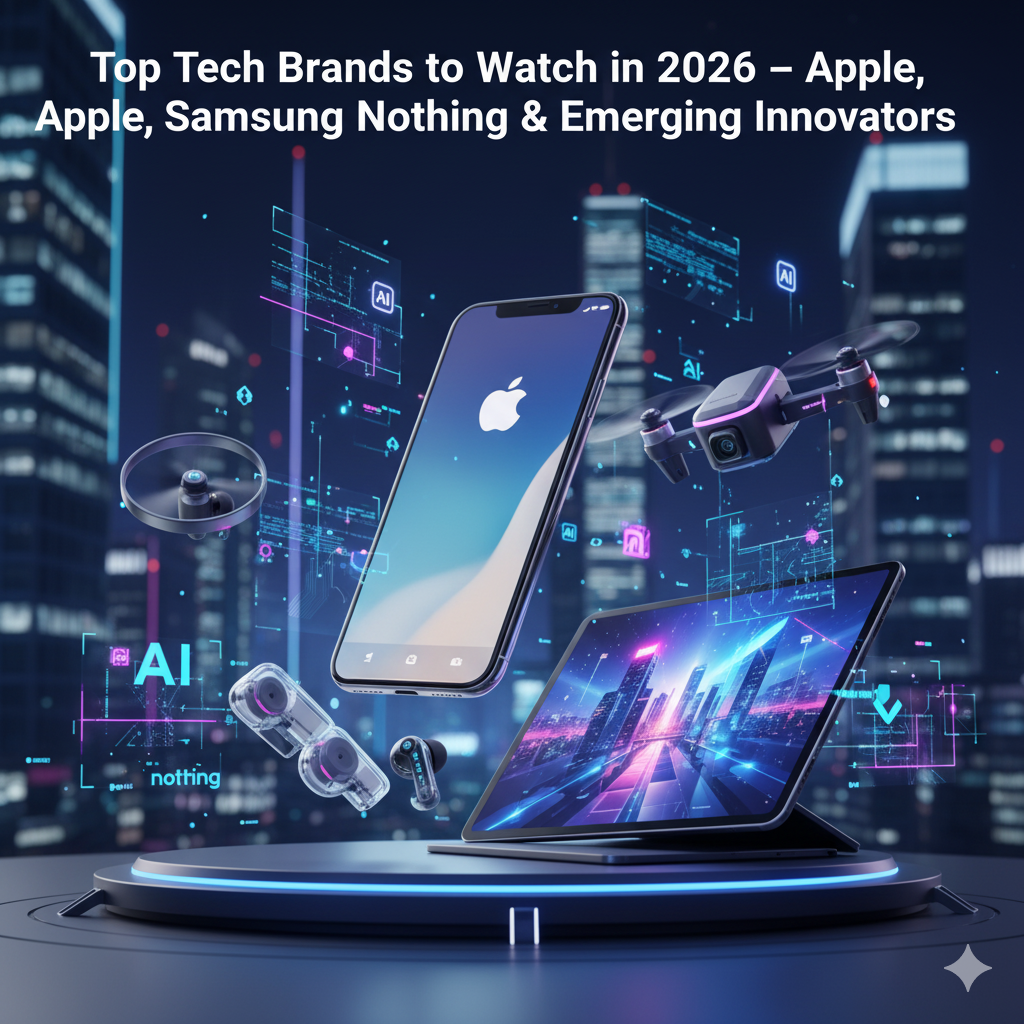
The tech world never stops, and 2026 is looking like a really exciting year for gadgets and innovation. If you’re a tech enthusiast, creator, or even investor, knowing the top tech brands to watch in 2026 is super important. From Apple’s rumored futuristic devices to Xiaomi’s global expansion, Samsung’s foldable lineup, and Nothing’s fresh design-first approach, this year is going to shake things up in the gadget market.
In this guide we’ll explore the leading brands, compare their strengths, and look at some interesting emerging tech startups that could become the next big thing.
Why 2026 is a Big Year for Tech
Tech companies are evolving faster than ever. AI, augmented reality, foldable displays, and sustainability-driven designs are not just ideas anymore—they are becoming real. Brands that adapt quickly and innovate will lead the market, while others might struggle to catch up.
Here’s why you should pay attention in 2026:
- AI-powered devices are influencing everything, from smartphones to home gadgets
- Foldable and flexible tech is becoming accessible to more people
- Emerging startups are challenging giants with niche innovations
Top Established Brands
Apple – The Innovator
Apple keeps dominating with its ecosystem approach, mixing hardware, software and services. In 2026, rumors suggest they’ll push further into AR devices, health wearables, and smarter AI features.
Strengths:
- Strong brand loyalty and ecosystem integration
- Consistent innovation in hardware and software
- Premium design and user experience
Challenges:
- High pricing limits adoption
- Incremental updates sometimes feel a bit predictable
Samsung – Foldables and Displays
Samsung’s foldables, high-refresh-rate displays, and next-gen smart TVs keeps it on top of tech innovation. The Galaxy series plus wearables and smart home gadgets make Samsung a very versatile brand.
Highlights:
- Leading in foldable smartphone tech
- Wide range of products in consumer electronics
- Aggressive global marketing strategy
Challenges:
- Software ecosystem sometimes feels fragmented
- Competes heavily with budget-friendly brands
Xiaomi – Affordable Innovation
Xiaomi remains a disruptor thanks to its price-to-performance ratio. Smartphones, smart home devices, IoT gadgets—Xiaomi keeps growing globally while investing in AI and connectivity.
Key Points:
- Great value for money in phones and gadgets
- Fast product iterations keep offerings fresh
- Expanding into premium segments with Mi and Mix series
Cons:
- Brand perception in premium markets still behind Apple and Samsung
- Software polish can feel less refined than ecosystem rivals
Nothing – Design-First Newcomer
Nothing is carving a niche with minimalistic, design-focused tech. Their earphones, smart devices, and style-driven gadgets are catching attention.
Unique Selling Points:
- Design-first approach attracts younger users
- Focus on simple, seamless ecosystem
- Strong social media and community engagement
Challenges:
- Limited product lineup compared to legacy brands
- Scaling globally while keeping design integrity
Emerging Tech Startups
Small companies are often the ones pushing boundaries. 2026 is seeing startups focusing on:
- Sustainable gadgets with recycled materials and energy efficiency
- AI-first devices improving home and work life
- Niche innovations like modular electronics, AR accessories, or personal robotics
These startups might not be household names yet, but their innovations often set trends that bigger brands follow later.
Comparison Table – Established vs Emerging
| Brand/Category | Strengths | Focus Areas | Challenges |
|---|---|---|---|
| Apple | Ecosystem, user loyalty | AR, AI, wearables | High price, incremental updates |
| Samsung | Foldables, displays | Smartphones, smart home | Fragmented ecosystem |
| Xiaomi | Price-performance | Smartphones, IoT | Premium perception |
| Nothing | Design-first | Earphones, smart gadgets | Limited lineup |
| Emerging Startups | Niche innovation | Sustainability, AR, AI | Scaling globally |
Pros & Cons of Following Top Tech Brands
Pros
- Early access to cutting-edge gadgets and software
- Insights into trends shaping future tech
- Can guide investment decisions for tech enthusiasts
Cons
- Premium devices cost a lot
- Rapid tech cycles can make gadgets feel outdated quickly
- Startups carry higher failure risk
Unique Insights
- AI and Sustainability are now must-haves – Brands ignoring them may fall behind
- Design matters more than ever – Nothing shows style can sway users
- Global expansion is key – Xiaomi proves affordability plus innovation works worldwide
- Community engagement drives loyalty – Social-first brands get free marketing and fan love
- Startups are worth watching – Many get acquired by giants within few years
Internal Links (PreviewKart)
- Explore our Top Gadgets 2026 for Creators for complementary tech insights
- Check out Emerging Tech Startups in Asia for investment and trend ideas
FAQ Section
1. Which tech brands will lead in 2026?
Apple, Samsung, Xiaomi, and Nothing are expected to lead, with emerging startups bringing new innovation.
2. Why is Nothing gaining attention?
Because they focus on minimalistic, design-driven products that appeal to younger, style-conscious users.
3. Should I follow startups or established brands?
Both. Established brands offer stability and ecosystems, while startups often lead with niche innovation.
4. How is sustainability influencing tech in 2026?
Sustainable materials, low-power devices, and eco-friendly packaging are becoming key differentiators.
5. Are foldable smartphones the future?
Foldables are growing in popularity. Their success depends on price, durability, and software experience.