
What Is a Normal Heart Rate? Resting vs Workout vs Sleeping Explained
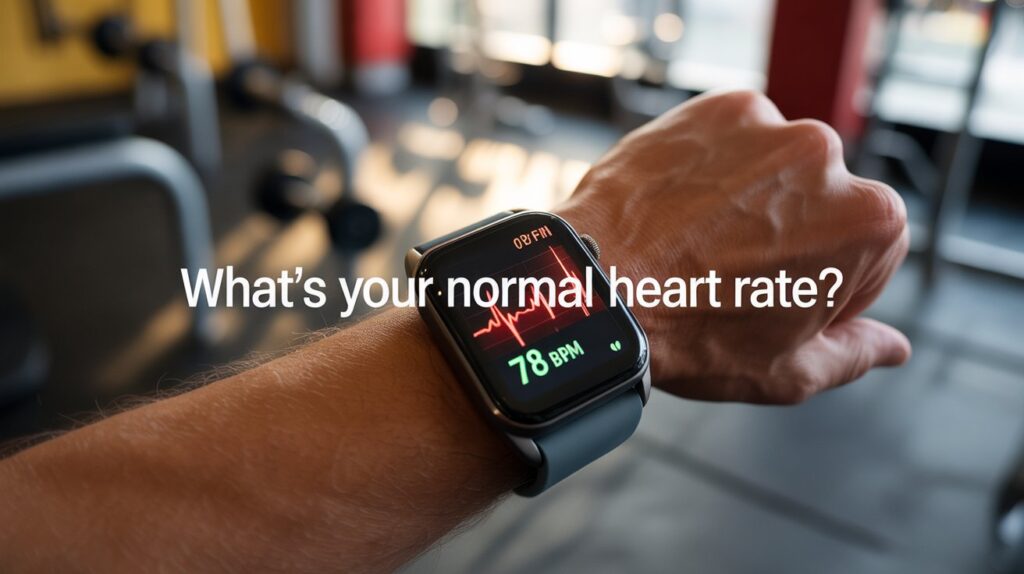
Your heart rate is one of the most important signals of internal health. It’s not just a number on a smartwatch it reflects how efficiently your cardiovascular system works, how well you recover from stress, and how your body responds to exercise. Every heartbeat delivers oxygen rich blood to muscles and organs, and how fast or slow your heart works can reveal valuable insights about fitness, stress, and disease risk.
A normal heart rate changes based on age, activity level, sleep quality, hydration, health conditions, and your nervous system. Understanding these patterns helps you train smarter, recover better, and detect warning signs early.
TL;DR — Quick Highlights
- Normal resting heart rate for most healthy adults is typically between low 60s and mid 80s, with lower numbers indicating better cardiovascular fitness.
- During workouts, your heart rate rises based on intensity—light (Zone 2), moderate (Zone 3), or vigorous (Zone 4–5)—and this increase is normal and healthy.
- While sleeping, your heart rate drops below resting levels due to parasympathetic recovery, usually reaching its lowest point during deep sleep.
- Track your trends, not single readings — consistently high or consistently low heart rate patterns may indicate stress, overtraining, or health issues.
- What Is a Normal Heart Rate? Resting vs Workout vs Sleeping Explained
- TL;DR — Quick Highlights
- What Is a Normal Resting Heart Rate?
- Factors That Influence Resting Heart Rate
- Normal Heart Rate While Sleeping
- How Sleep Stages Affect Heart Rate
- Normal Heart Rate During Exercise
- Maximum Heart Rate and Why It Drops With Age
- Heart Rate Norms by Age
- Male vs Female Heart Rate: Why It Differs
- How to Measure Heart Rate Accurately
- Warning Signs: When Heart Rate Is Too High or Too Low
- Heart Rate Variability (HRV): The Underrated Metric
- Healthy Habits to Maintain Optimal Heart Rate
- Conclusion
- Frequently Asked Questions (FAQ)
What Is a Normal Resting Heart Rate?
Your resting heart rate is measured when you’re awake, calm, and not moving. It reflects how hard your heart works to pump blood in its most relaxed state.
For most healthy adults, a normal resting heart rate typically falls between the mid 50s and mid 80s beats per minute. People with stronger cardiovascular fitness sit on the lower end of this range, while those who are stressed, dehydrated, or sedentary may sit higher.
Athletes vs. Non Athletes
Endurance athletes often have far lower resting heart rates, sometimes in the 40s or even high 30s. Their heart muscle becomes stronger and more efficient due to repeated training. Because they pump more blood with each beat, the heart doesn’t need to beat as fast.
This is why long distance runners, swimmers, and cyclists often show very low morning heart rates without any health concerns.
Factors That Influence Resting Heart Rate
Your resting heart rate fluctuates daily based on several factors:
- Stress and anxiety — Stress hormones accelerate heart rate and reduce recovery.
- Caffeine and stimulants — Coffee, energy drinks, and medicines may elevate heart rate.
- Hydration — Dehydration forces the heart to compensate, increasing beats per minute.
- Sleep quality — Poor or fragmented sleep raises resting heart rate.
- Body temperature — Heat, fever, or hormonal changes elevate heart rate.
- Medications — Beta blockers lower heart rate; stimulants and thyroid medications can increase it.
None of these changes make you “unhealthy” in isolation, but consistent shifts in your baseline may reveal stress, fatigue, or illness.
Normal Heart Rate While Sleeping
Sleep places the body in a recovery state. Your nervous system shifts from “fight or flight” to “rest and digest,” muscles relax, blood pressure drops, and your body’s oxygen demands fall. As a result, heart rate naturally declines.
A normal sleeping heart rate for most adults ranges from the 40s to the mid 60s. This is often lower than your waking resting heart rate. For trained athletes, nighttime heart rate can drop even further.
How Sleep Stages Affect Heart Rate
Sleep is not a flat line your heart rate changes throughout the night.
- Deep sleep (NREM): The lowest heart rate of the night. This stage is when the body repairs muscles, immune function improves, and nervous system recovery occurs.
- REM sleep: The brain becomes highly active, dreams intensify, and heart rate increases. In vivid or stressful dreams, your heart rate may temporarily climb to daytime levels.
Consistently lower sleep heart rates generally mean good recovery. Chronically elevated nighttime heart rate may suggest stress, dehydration, poor sleep, or illness.
Normal Heart Rate During Exercise
Exercise elevates heart rate intentionally and healthily. When your muscles work, they demand oxygen, and your cardiovascular system responds by pumping faster.
Understanding Training Zones
Instead of obsessing about a single target number, athletes rely on heart rate zones, each linked to a different training benefit:
- Zone 0 :Low intensity training (warm ups, recovery walks): You can talk comfortably.
- Zone 1 :Endurance zone (long runs, steady cycling): Sustainable effort, best for fat metabolism and aerobic growth.
- Zone 2: Moderate training: Talking becomes harder; ideal for sustained cardio fitness.
- Zone 3-4: Hard training (sprints or climbs): Talking is difficult; body relies more on anaerobic energy.
- Zone 4-5: Maximum effort: Short bursts only—sprinting, HIIT finishes, or competition.
Training within the correct zones helps you build fitness without over stressing your heart or nervous system.
Maximum Heart Rate and Why It Drops With Age
Maximum heart rate decreases gradually over time. This isn’t because older adults are weaker—it’s because the heart’s electrical pacing mechanism changes with age.
While generic formulas exist, they often fail to reflect real performance. The most accurate measurement is a medically supervised fitness test, but formulas can provide a reasonable estimate for everyday training.
Heart Rate Norms by Age
Heart rate changes throughout your life as the body grows and matures.
Children and Pre teens
Children have higher heart rates because their hearts are smaller and metabolic needs are higher. Younger kids typically have the fastest resting pulse.
Teenagers
By adolescence, resting heart rate begins to approach adult ranges. Physical activity, sports participation, puberty, and emotions can influence daily fluctuations.
Adults
In healthy adults, a normal resting heart rate usually sits somewhere between the mid 50s and mid 80s. Individual fitness level makes the biggest difference.
Older Adults
Healthy older adults retain similar resting heart rate ranges. What changes is how heart rate responds to exercise. Maximum heart rate and recovery speed decline with age, so exercise targets must be adjusted accordingly.
Male vs Female Heart Rate: Why It Differs
Women tend to have slightly higher resting heart rates than men. This isn’t a sign of worse health—it comes from biology.
- Women generally have smaller hearts relative to body size.
- Each beat pumps less blood, so the heart compensates with a slightly higher rate.
- Hormonal differences also influence heart pacing and recovery.
Even in elite sports, female athletes often retain slightly higher resting heart rates than equally trained male athletes.
These differences narrow after menopause when estrogen declines and both sexes age into similar hormonal profiles.
How to Measure Heart Rate Accurately
You can track heart rate in several ways:
Manual Pulse Checking
Simple and surprisingly reliable:
- Place fingertips on the inner wrist or side of the neck
- Count beats for a full minute when calm
- Best measured in the morning before caffeine or movement
Manual measuring is excellent for establishing your personal resting baseline.
Smartwatches and Fitness Bands
Modern wearables use optical sensors to detect changes in blood flow. They are accurate for everyday use, especially at rest and during steady exercise. They may struggle with:
- Sudden movement
- Arrhythmias
- Cold skin
- Loose straps
Still, most readings fall comfortably within clinically acceptable accuracy for personal monitoring.
Chest strap Heart Monitors
Athletes use chest straps for precision. They read electrical signals similar to medical devices and are highly accurate during intense workouts.
ECG/Clinical Devices
These measure electrical activity directly and are the clinical gold standard when diagnosing heart irregularities.
In order of accuracy:
ECG > Chest strap > Wearables > Manual checking.
Warning Signs: When Heart Rate Is Too High or Too Low
Your heart rate varies naturally, but some patterns should not be ignored.
Resting Heart Rate Too High
A consistently elevated resting heart rate may indicate stress, poor sleep, dehydration, anemia, or thyroid issues. It may also be the body’s early response to infection or overtraining.
Resting Heart Rate Too Low
Low heart rates are normal in athletes but not in untrained individuals. If you feel faint, fatigued, or dizzy with a low resting pulse, it may be related to medication, conduction issues, or thyroid imbalance.
Red Flags
Seek medical attention if heart rate spikes or drops rapidly and is accompanied by:
- Chest pressure
- Shortness of breath
- Lightheadedness
- Confusion
- Fainting spells
The symptoms matter more than the number itself.
Read: Tech Neck (Text Neck) Guide: Causes, Symptoms, Treatment & Prevention
Heart Rate Variability (HRV): The Underrated Metric
Most people focus on average heart rate, but HRV—how much time varies between beats reveals nervous system recovery.
High HRV signals:
- Strong parasympathetic response
- Adaptability to stress
- Good training recovery
- Better long term health
Low HRV signals:
- Chronic stress
- Poor sleep
- Overtraining
- Illness
- Burnout
HRV naturally fluctuates day to day. What matters is the multi week trend. Periods of low HRV often pair with high resting heart rate and fatigue—an early indicator that your body needs recovery.
Healthy Habits to Maintain Optimal Heart Rate
You can actively improve cardiovascular efficiency through everyday choices:
Regular Aerobic Exercise
Walking, cycling, swimming, and running strengthen the heart muscle. As your fitness increases, resting heart rate often decreases. Consistency matters more than intensity.
Sleep Quality
Deep, uninterrupted sleep lowers resting and sleeping heart rates and raises HRV. Aim for stable sleep schedules and recovery days.
Hydration
Water balance makes a significant difference. When dehydrated, the heart works harder to circulate blood.
Stress Management
Breathing exercises, meditation, yoga, or even slow walks reduce sympathetic activation and lower heart rate naturally.
Balanced Nutrition
Foods rich in minerals, lean proteins, fiber, and healthy fats support heart health. Ultra processed foods, excess salt, and stimulants can elevate heart rate over time.
Limit Excessive Stimulants
Energy drinks, strong coffee, and nicotine can produce sharp spikes in heart rate. Moderation matters, especially around bedtime.
Conclusion
There is no single perfect heart rate. What matters is your own normal and how it changes over time.
Monitor your resting heart rate in calm conditions, ideally every morning. Observe how it responds to training loads, sleep quality, stress, hydration, and nutrition. Gradual improvements—slightly lower resting heart rate and higher HRV—signal better cardiovascular fitness.
Short term spikes are expected. A stressful week, poor sleep, or a hard workout may raise your heart rate temporarily. Long term trends are where insights live.
Your heart’s rhythm is not just a stat—it’s a reflection of your lifestyle, health, and recovery. Listen to it, respect it, and work with it to build resilience for the long run.
Frequently Asked Questions (FAQ)
1. What is considered a normal resting heart rate?
For most healthy adults, a normal resting heart rate typically falls between the mid 50s and mid 80s. Athletes may sit much lower due to stronger cardiovascular efficiency.
2. Why do athletes have lower heart rates?
Regular endurance training strengthens the heart muscle, allowing it to pump more blood with each beat. Because the heart becomes more efficient, it doesn’t need to beat as often.
3. What is a normal heart rate during sleep?
During sleep, heart rate commonly drops into the 40s–60s. This is normal and reflects parasympathetic recovery. Deep sleep shows the lowest heart rates, while REM sleep causes brief increases.
4. What is a normal heart rate during exercise?
It depends on intensity. Light to moderate workouts typically fall in lower training zones, while intense exercise may push you closer to maximum heart rate. The harder the activity, the higher the heart rate.
5. Is it bad if my heart rate suddenly spikes?
Temporary spikes during stress, caffeine, excitement, or sudden movement are normal. Persistent spikes paired with dizziness, chest discomfort, or breathing difficulty should be evaluated by a doctor.
6. Why is my resting heart rate higher in the morning?
Dehydration, poor sleep, stress, alcohol, illness, or late night meals can temporarily increase resting heart rate. Tracking trends over weeks offers more insight than single readings.
7. Is a low heart rate dangerous?
Low heart rate is common in athletes and physically active individuals. In non athletes, very low heart rates combined with weakness, fainting, or fatigue should be checked by a healthcare professional.
8. Do smartwatches measure heart rate accurately?
Most modern wearables are accurate enough for general fitness and health tracking. They may be less accurate during high intensity movement or with irregular heart rhythms.
9. What is heart rate variability (HRV)?
HRV reflects the time variation between heartbeats. Higher HRV usually indicates strong recovery, good stress response, and healthier cardiovascular function. Low HRV can reflect stress, illness, or poor sleep.
10. How can I naturally lower my resting heart rate?
Consistent aerobic exercise, quality sleep, stress reduction, hydration, and balanced nutrition all help lower resting heart rate over time. Avoid excessive stimulants and maintain a healthy weight.