
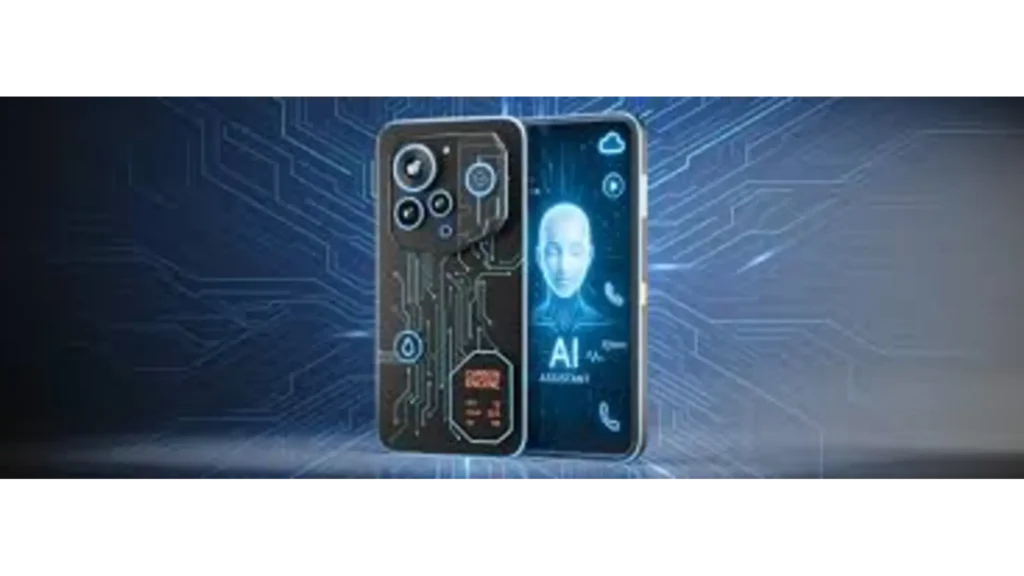
The smartphone industry has always been fast-paced, but 2025 marks a turning point. With AI-powered features, foldable phones becoming mainstream, and early talks of 6G connectivity, the future of mobile devices looks more exciting than ever. Consumers aren’t just looking for speed and performance anymore—they want intelligent, personalized experiences.
At PreviewKart, we track these trends closely to help readers stay ahead in the ever-changing tech world. Let’s explore how the future of smartphones is unfolding and what you should expect in the next few years.
AI-Powered Smartphones: Smarter Than Ever
Artificial Intelligence is no longer a buzzword—it’s the backbone of modern smartphones. From real-time language translation to AI-driven photography, devices are learning how to think and act like humans.
Key AI features shaping mobile tech:
- Personalized recommendations based on user behavior.
- Smarter cameras with scene detection and AI image enhancement.
- Voice assistants that understand context better.
- Battery optimization powered by machine learning.
Leading brands like Apple, Samsung, and Google are heavily investing in AI-first devices. For instance, Google’s Pixel series already integrates AI to improve call clarity and suggest smarter replies.
👉 Want to compare the latest AI-powered flagships? Check out our Android flagship comparisons.
Foldable Smartphones: Beyond the Hype
Just a few years ago, foldable phones were seen as futuristic gadgets. Today, they’re moving toward mainstream adoption. With more durable displays and reduced costs, foldables are no longer a luxury reserved for early adopters.
Why foldable phones are trending in 2025:
- Bigger screens, smaller pockets – portability with immersive displays.
- Multi-tasking made easy – run multiple apps side by side.
- Improved durability – newer models can last over 200,000 folds.
- Stylus support – foldables doubling as productivity tools.
Samsung’s Galaxy Z series and Motorola’s Razr have already gained traction, and even Apple is rumored to be testing foldable prototypes.
For detailed previews, explore our latest foldable phone reviews.
6G and Hyper-Connectivity: The Next Wireless Revolution
While 5G is still rolling out globally, 6G research has already begun. This next-gen wireless technology promises speeds up to 100 times faster than 5G, unlocking new possibilities.
What 6G could bring:
- Holographic video calls and AR/VR integration.
- Instant cloud gaming with zero latency.
- Smart city integration with IoT devices.
- Seamless global connectivity without drops.
Countries like South Korea and Japan are leading 6G trials, aiming for commercial launches by 2030 (source: GSMA).
Sustainability in Smartphones: A Growing Priority
Consumers are becoming more eco-conscious, pushing brands toward sustainable smartphone manufacturing. Companies like Apple have committed to using 100% recycled materials, while others are offering modular designs for easier repairs.
Key eco-friendly smartphone initiatives:
- Longer software support to extend device lifespan.
- Recyclable packaging and reduced e-waste.
- Refurbished smartphone markets gaining popularity.
Read more about sustainable gadgets in our green tech section.
What the Future of Smartphones Means for You
The smartphone of tomorrow won’t just be a communication device—it will be a personal AI assistant, entertainment hub, and productivity powerhouse. Whether it’s AI-driven personalization, foldable displays, or superfast 6G networks, the way we interact with technology will change forever.
If you’re planning your next upgrade, it’s worth keeping an eye on:
- AI-first phones like Google Pixel and Samsung Galaxy.
- Foldables for productivity and multitasking.
- Sustainable options that last longer and reduce waste.
Conclusion: The Smartphone Revolution Has Just Begun
Smartphones are evolving at lightning speed, blending AI intelligence, foldable form factors, and 6G connectivity into everyday life. The next few years will reshape how we connect, work, and entertain ourselves.
👉 Stay updated with the latest smartphone news, reviews, and comparisons at PreviewKart.com.
FAQs on the Future of Smartphones
Q1: What will smartphones look like in 2030?
By 2030, smartphones may feature fully foldable or rollable screens, AI companions, and 6G-powered holographic calls.
Q2: Will AI replace smartphone apps?
Not entirely, but AI will integrate into apps to provide more personalized, predictive, and automated experiences.
Q3: When will 6G smartphones be available?
Commercial 6G devices are expected around 2030, though trials are already happening in advanced tech regions.
Q4: Are foldable phones durable enough for daily use?
Yes, modern foldables now support hundreds of thousands of folds and are designed to handle everyday usage.
Q5: Which smartphone brands are leading innovation in 2025?
Brands like Apple, Samsung, Google, and OnePlus are driving AI, foldables, and sustainability in the smartphone market.