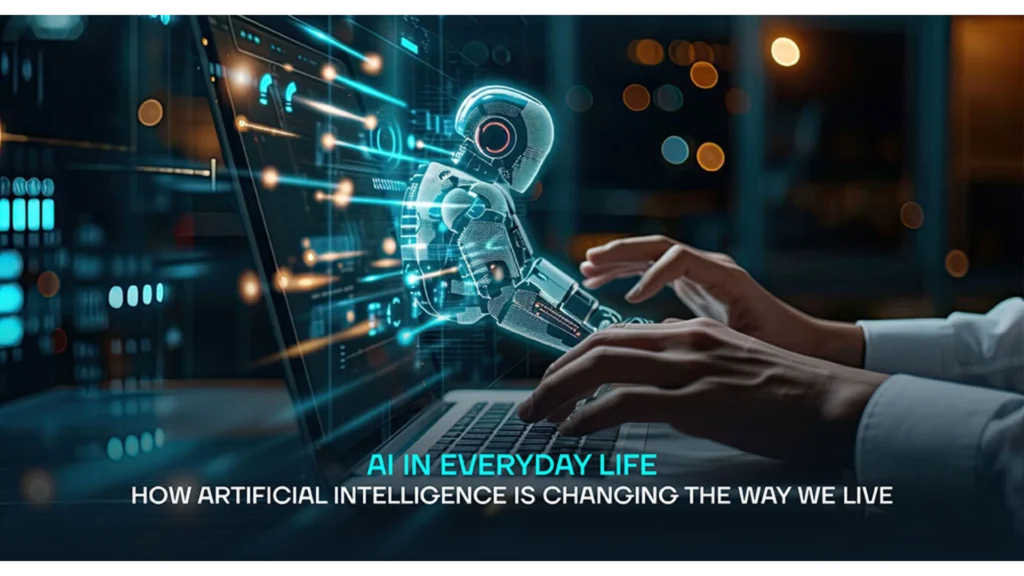
Artificial Intelligence (AI) is no longer just a buzzword—it’s woven into the very fabric of our lives. From unlocking your phone with facial recognition to getting personalized recommendations on Netflix or Amazon, AI is everywhere. Businesses are harnessing it to boost efficiency, while individuals rely on it for convenience, productivity, and even entertainment.
At PreviewKart, we believe the future of AI in everyday life is not about replacing humans but about empowering them. This article explores how AI is transforming healthcare, education, smart homes, and more—while answering the big question: What’s next for artificial intelligence?
How AI is Transforming Daily Life
1. AI in Healthcare: Smarter, Faster, Better
Healthcare is one of the biggest beneficiaries of artificial intelligence.
- Predictive diagnosis: AI can analyze medical data to detect diseases early.
- Personalized treatment plans: Algorithms recommend treatments based on genetics and lifestyle.
- Virtual health assistants: Chatbots and AI-driven apps help patients monitor symptoms and manage prescriptions.
For example, AI-based cancer detection systems are already achieving higher accuracy than human radiologists in some cases (Harvard Health). This shows the massive potential AI holds for saving lives.
2. AI in Education: Personalized Learning for All
AI in education is making learning more accessible and tailored.
- Adaptive learning platforms adjust lessons based on a student’s strengths and weaknesses.
- Automated grading saves teachers hours of manual work.
- AI tutors provide 24/7 learning support.
Imagine a world where every student has a personal tutor available anytime—that’s what AI is making possible.
3. AI in Smart Homes: Convenience Redefined
Smart home devices powered by AI are creating seamless living experiences.
- Voice assistants like Alexa, Siri, and Google Assistant help with daily tasks.
- Smart appliances optimize energy use and reduce costs.
- AI-driven security systems provide real-time threat detection.
With AI-powered smart homes, daily chores become automated, leaving you more time for what matters most.
4. AI in Business and Workplaces
AI is driving efficiency in the corporate world:
- Automation of repetitive tasks improves productivity.
- AI chatbots handle customer service 24/7.
- Data analytics tools help businesses make smarter decisions.
According to McKinsey & Company, companies using AI in operations are seeing significant gains in cost savings and innovation.
Key Benefits of AI in Everyday Life
- Efficiency & Time Savings: Automates repetitive tasks.
- Personalization: From shopping to healthcare, AI tailors experiences.
- Accessibility: Makes education and healthcare available to remote areas.
- Security: Enhances safety with smart monitoring.
Challenges and Ethical Concerns of AI
While AI is promising, it also raises critical questions:
- Data Privacy: How secure is our personal information?
- Job Displacement: Will automation replace human jobs?
- Bias in Algorithms: Can AI truly be fair?
Addressing these concerns is crucial to ensuring a future where AI benefits everyone.
The Future of Artificial Intelligence: What to Expect
Looking ahead, AI will continue to expand its role in society. We can expect:
- Self-driving cars to become mainstream.
- AI-powered healthcare breakthroughs in genetics and drug development.
- Hyper-personalized experiences across shopping, media, and entertainment.
- Greater integration with IoT (Internet of Things) for smarter cities and homes.
The potential is limitless—as long as innovation is paired with responsible development.
Conclusion: Embracing the AI-Powered Future
Artificial intelligence is no longer just a futuristic concept—it’s a present-day reality shaping how we live, work, and interact. By understanding its benefits and challenges, we can prepare ourselves for a world where AI enhances human potential instead of replacing it.
👉 At PreviewKart, we cover the latest in AI, technology, and gadgets. Check out our related articles on smartphones and emerging tech trends to stay ahead.
Frequently Asked Questions (FAQ)
1. How is AI used in daily life today?
AI is used in voice assistants, online shopping recommendations, healthcare diagnostics, education platforms, and smart home devices.
2. Will AI replace human jobs?
AI will automate repetitive tasks but is more likely to create new job opportunities in tech, AI development, and digital services.
3. Is AI safe for everyday use?
Yes, when developed responsibly. However, concerns like data privacy and algorithmic bias still need careful regulation.
4. What industries will benefit most from AI?
Healthcare, finance, education, retail, and transportation are seeing the fastest AI adoption.
5. What’s next for artificial intelligence?
Future AI will focus on self-driving cars, advanced robotics, personalized medicine, and deeper integration with IoT and smart cities.