
Electrolyte Overload: Can You Drink Too Many Electrolytes?
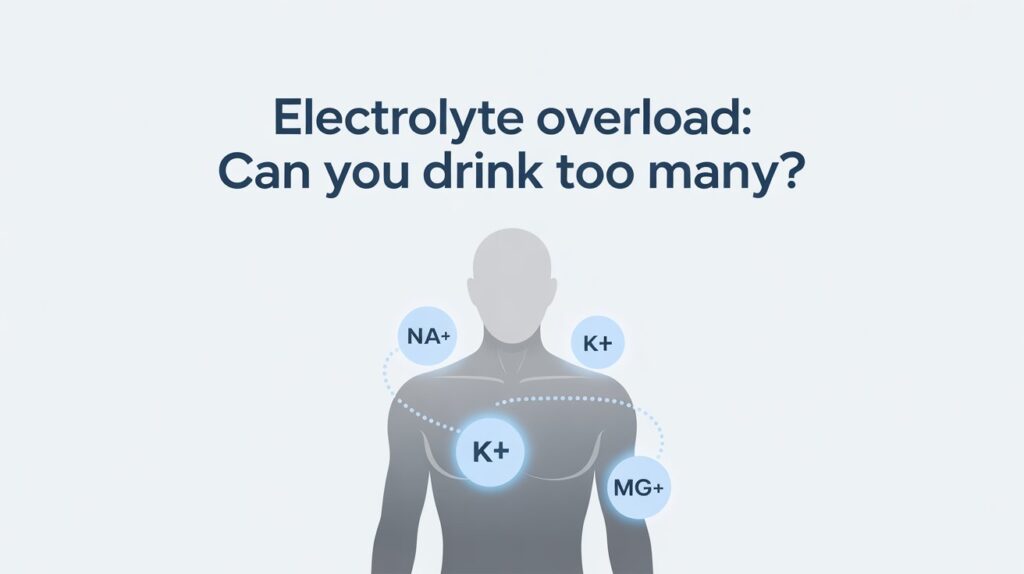
Image credits to unsplash
Electrolytes are everywhere today. Sports drinks, hydration powders, coconut water, and supplements all promise better energy, faster recovery, and improved health. The message is simple: electrolytes are essential, so more must be better.
But that idea is misleading.
While electrolytes are vital for survival, too many electrolytes can be harmful. In some cases, electrolyte overload can affect the heart, brain, muscles, and kidneys, and it often happens without obvious warning signs.
This guide explains what electrolytes do, how overload happens, who is most at risk, and how to stay safely balanced without overdoing it.
TLDR
- Electrolytes are essential, but too much can be harmful
- Most people do not need daily electrolyte drinks or supplements
- Water and whole foods are usually enough for hydration and balance
- High risk groups include older adults, kidney disease patients, and heavy supplement users
What Are Electrolytes and Why Do They Matter?
Electrolytes are minerals in your body fluids that carry an electrical charge. They help control critical processes such as:
- Heart rhythm
- Muscle contraction
- Nerve signaling
- Fluid balance
- Blood pressure
- Brain function
The most important electrolytes include sodium, potassium, magnesium, calcium, chloride, and phosphate.
Your body works constantly to keep these minerals within a tight range. The kidneys play the biggest role by filtering excess electrolytes and removing them through urine.
When this balance is disturbed, symptoms begin to appear.
Where Electrolytes Come From
Most people already get enough electrolytes from normal food.
Natural Food Sources
- Potassium comes from fruits, vegetables, legumes, dairy, and leafy greens
- Sodium is abundant in processed foods, packaged snacks, sauces, and restaurant meals
- Magnesium and calcium come from nuts, seeds, whole grains, dairy, and greens
A balanced diet usually supplies all the electrolytes your body needs.
Drinks and Supplements
Problems tend to arise from concentrated sources, such as:
- Sports drinks
- Electrolyte powders and tablets
- Coconut water consumed in large amounts
- Salt tablets
- Mineral supplements taken without medical advice
These products are often marketed as essential for everyday hydration, even though most people do not need them.
What Is Electrolyte Overload?
Electrolyte overload occurs when one or more electrolytes build up in the bloodstream to unsafe levels.
This usually happens when high intake meets reduced excretion, meaning the body cannot get rid of the excess fast enough.
Common contributing factors include:
- Heavy use of electrolyte supplements
- Kidney disease or reduced kidney function
- Aging related decline in kidney efficiency
- Certain medications that affect fluid balance
- Severe illness followed by aggressive self supplementation
- Excessive intake of sports drinks without real fluid loss
When electrolyte levels rise too high, cells cannot function properly, especially in the heart and brain.
Symptoms of Electrolyte Overload
Symptoms vary depending on which electrolyte is elevated, but they often overlap.
Too Much Sodium
- Intense thirst
- Dry mouth
- Fatigue or agitation
- Headache
- Confusion
- Muscle weakness
- Severe cases may lead to seizures or loss of consciousness
Too Much Potassium
This is the most dangerous form because it may cause no early symptoms.
Possible signs include:
- Muscle weakness
- Tingling or numbness
- Nausea
- Irregular heartbeat
- Chest discomfort
- Sudden cardiac arrest in severe cases
Too Much Magnesium
- Nausea or diarrhea
- Muscle weakness
- Low blood pressure
- Slow or irregular heartbeat
- Breathing difficulty in extreme cases
Important: Feeling fine does not mean levels are safe. Dangerous electrolyte imbalances can exist silently.
Who Is Most at Risk?
Some people are far more vulnerable than others.
People With Kidney Disease
The kidneys remove excess electrolytes. When kidney function declines, electrolytes accumulate.
Foods and drinks that are healthy for others can be dangerous, including coconut water, potassium rich fruits, salt substitutes, and supplements.
Older Adults
Aging reduces:
- Thirst sensation
- Kidney filtration ability
- Total body water
This makes electrolyte imbalances more likely, especially during illness or heat exposure.
Endurance Athletes
Long duration exercise causes electrolyte loss through sweat, but overdrinking and over supplementing can cause imbalances.
Drinking large volumes beyond thirst can dilute blood electrolytes or create overload when combined with supplements.
People Recovering From Vomiting or Diarrhea
Fluid loss can tempt people to overcorrect with supplements. This can swing electrolyte levels too far in the opposite direction.
This is why oral rehydration solutions are safer than random electrolyte products.
How Much Is Too Much?
For most healthy adults:
- Electrolytes from food are safe
- Supplements are usually unnecessary
- Water alone is enough for daily hydration
Sports drinks and electrolyte products are helpful mainly when:
- Exercise lasts a long time
- Sweat loss is heavy
- Fluid intake is limited
- Recovery from significant illness is occurring
Using these products daily without a real need increases risk without benefit.
When to Seek Medical Help
Get Emergency Care If You Have:
- Chest pain
- Fainting
- Severe confusion
- Seizures
- Trouble breathing
- Severe weakness or paralysis
- Sudden heart rhythm changes
See a Doctor If You Notice:
- Ongoing fatigue
- Persistent muscle cramps
- Unusual thirst
- Nausea with supplement use
- Palpitations
- Changes in mental clarity
A simple blood test can identify electrolyte problems early.
How to Stay Safely Balanced
Everyday Life
- Drink water when thirsty
- Eat whole foods
- Avoid daily electrolyte supplements
- Limit processed foods for sodium control
- Watch urine color for hydration cues
- Be cautious with fitness marketing claims
Athletes
- Use sports drinks only when exercise is prolonged
- Avoid drinking beyond thirst
- Test hydration strategies during training
- Avoid painkillers that affect kidney function during endurance events
- Eat normal meals after exercise instead of relying on drinks alone
Older Adults
- Use hydration reminders
- Avoid extreme sodium restriction unless advised
- Get periodic blood tests
- Do not self supplement electrolytes
Kidney Disease Patients
- Follow medical guidance strictly
- Avoid salt substitutes and supplements
- Read food labels carefully
- Never assume a product is safe because it is labeled natural
The Bottom Line
Electrolytes are essential, but more is not better.
Your body is designed to regulate electrolytes precisely. Problems arise when marketing messages convince people they need constant supplementation.
For most people:
- Food provides enough electrolytes
- Water is safe and effective
- Supplements should be used cautiously
- Electrolyte overload is preventable
If you belong to a high risk group, talk to a healthcare professional before using electrolyte products.
Your body already knows how to maintain balance. The best thing you can do is not interfere unnecessarily.
Read Fruits to Limit or Avoid If You Have Diabetes: A Practical, Real Life Guide
Frequently Asked Questions
Can drinking electrolyte drinks every day be harmful?
Yes, it can be. If you are not losing large amounts of fluids through heavy sweating, illness, or endurance exercise, daily electrolyte drinks may push your sodium or potassium levels too high, especially over time.
Is plain water enough for hydration?
For most people, yes. Water alone is sufficient for everyday hydration. Your body regulates electrolytes naturally through food and kidney function.
Who actually needs electrolyte supplements?
Electrolyte supplements may help endurance athletes, people recovering from vomiting or diarrhea, or individuals with medical guidance. They are not necessary for casual workouts or daily activities.
Can too many electrolytes affect the heart?
Absolutely. High levels of potassium or sodium can interfere with heart rhythm and, in severe cases, cause dangerous arrhythmias or cardiac arrest.
Are natural drinks like coconut water always safe?
Not always. Coconut water is high in potassium. For people with kidney disease or reduced kidney function, even natural sources can be risky if consumed frequently.
What are early signs of electrolyte overload?
Early signs may include fatigue, nausea, muscle weakness, headaches, or confusion. Unfortunately, serious imbalances can sometimes occur without obvious symptoms.
Can athletes drink too many electrolytes?
Yes. Overdrinking combined with electrolyte supplements can disrupt balance. Modern sports science supports drinking to thirst, not forcing fluids or supplements.
Are electrolyte powders better than sports drinks?
Not necessarily. Both can cause overload if misused. The key factor is need, not format. Most people do not require either on a daily basis.
Should older adults avoid electrolyte supplements?
In most cases, yes unless advised by a doctor. Aging kidneys filter electrolytes less efficiently, increasing the risk of imbalance.
When should I see a doctor about electrolytes?
If you experience persistent weakness, irregular heartbeat, confusion, severe cramps, or chest pain, seek medical care. Blood tests can quickly identify imbalances.