
Fruits to Limit or Avoid If You Have Diabetes: A Practical, Real Life Guide
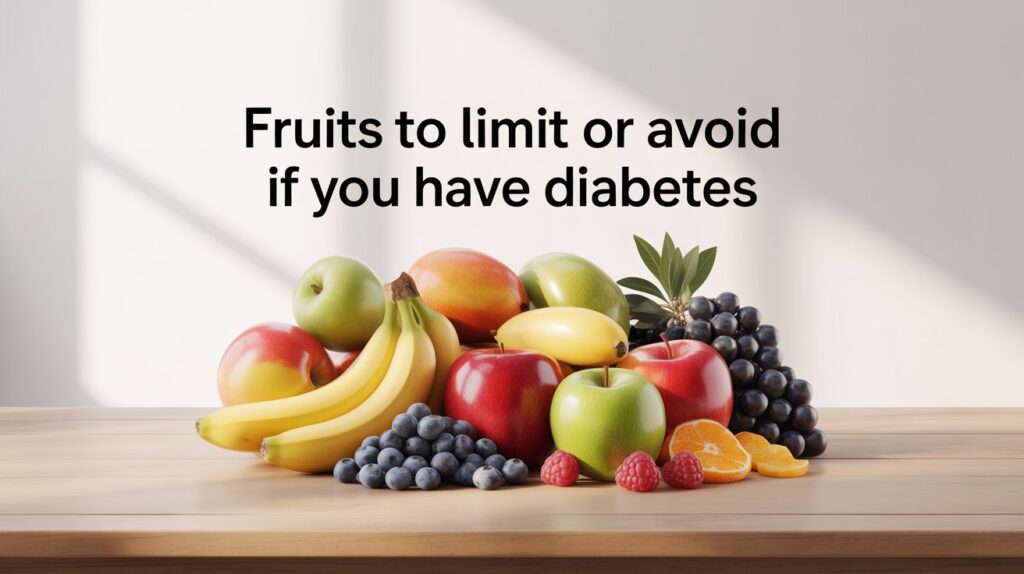
Living with diabetes does not mean you have to avoid fruits altogether. This is one of the most common and frustrating myths around blood sugar management. Fruits are rich in fiber, vitamins, minerals, and antioxidants, and when chosen wisely, they can absolutely be part of a healthy diabetes friendly diet.
The key is understanding that not all fruits affect blood sugar in the same way. Some raise glucose levels quickly, while others are absorbed slowly and gently. Learning the difference allows you to enjoy fruit without fear or guilt.
TLDR
Not all fruits spike blood sugar; whole fruits with fiber are usually safe in moderation
Portion size and pairing with protein or fat matter more than fruit type alone
Juices and dried fruits cause faster glucose spikes and should be limited
Personal blood sugar response is key; what works for one person may differ for another
- Fruits to Limit or Avoid If You Have Diabetes: A Practical, Real Life Guide
- Why All Fruits Do Not Affect Blood Sugar the Same Way
- Understanding Glycaemic Index and Glycaemic Load Simply
- Fruits That Can Spike Blood Sugar and Need Caution
- Why Portion Size Matters More Than You Think
- The Power of Pairing Fruit with Protein or Fat
- Fruits That Work Well for Diabetes
- Personal Testing Makes All the Difference
- Common Myths That Need to Go
- Simple Strategies for Everyday Life
- Final Thoughts
- Frequently Asked Questions
- Why All Fruits Do Not Affect Blood Sugar the Same Way
Why All Fruits Do Not Affect Blood Sugar the Same Way
Your body reacts differently to fruits based on three main factors:
• Natural sugar concentration
• Fiber content
• How the fruit is processed or prepared
Whole fruits contain fiber, which slows the absorption of sugar into the bloodstream. This helps prevent sudden spikes in blood glucose. When fruits are juiced, dried, or heavily blended, much of this protective effect is lost. The sugars become more concentrated and enter the bloodstream much faster.
Another important factor is individual response. Some people tolerate certain fruits well, while others see noticeable blood sugar rises from the same fruit. This means personalized awareness matters more than strict rules.
Understanding Glycaemic Index and Glycaemic Load Simply
The glycaemic index measures how quickly a food raises blood sugar compared to pure glucose. Foods with a lower glycaemic index lead to slower, steadier glucose rises.
The glycaemic load looks at both the speed of sugar absorption and the amount of carbohydrate in a typical serving. This is often more useful than the glycaemic index alone.
A fruit may have a higher glycaemic index but still be safe in small portions because its glycaemic load remains low. This is why portion size is just as important as fruit selection.
Fruits That Can Spike Blood Sugar and Need Caution
These fruits are not banned, but they should be eaten mindfully and in controlled portions.
Mango is naturally very sweet and contains a high concentration of natural sugars. Enjoying a few small pieces with nuts or yogurt is safer than eating a whole fruit at once.
Banana becomes higher in sugar as it ripens. Slightly green bananas are a better choice because they contain resistant starch, which helps slow glucose absorption.
Pineapple has concentrated natural sugars and can raise blood sugar quickly if eaten in large portions. Small servings paired with protein work best.
Grapes are easy to overeat due to their size and sweetness. Portion control is essential.
Dried fruits such as raisins, dates, and figs are especially tricky. Drying removes water but keeps the sugar, making it very easy to consume too much sugar in a small amount.
Fruit juices and smoothies, even when fresh and unsweetened, raise blood sugar much faster than whole fruits. Liquids bypass chewing and fiber slows, leading to quicker glucose spikes.
Why Portion Size Matters More Than You Think
Many blood sugar spikes happen not because of the fruit itself, but because of how much is eaten.
A diabetes friendly fruit portion is usually much smaller than expected. Eating several fruits in one sitting can overload the system, even if the fruits are considered healthy.
Spacing fruit intake across the day helps maintain stable glucose levels. Eating fruit as part of a meal rather than alone also reduces spikes.
The Power of Pairing Fruit with Protein or Fat
Pairing fruit with protein or healthy fat is one of the most effective ways to reduce blood sugar spikes.
Protein and fat slow digestion and delay sugar absorption. This leads to a smoother rise in blood glucose and longer lasting fullness.
Smart pairings include:
• Apple slices with nuts
• Berries with Greek yogurt
• Orange segments with cheese
• Pears with seeds
• Pineapple with coconut or curd
These combinations make fruit satisfying instead of triggering hunger soon after.
Fruits That Work Well for Diabetes
Some fruits are naturally better suited for blood sugar control and can be enjoyed more often.
Berries such as strawberries, blueberries, raspberries, and blackberries are low in sugar and high in fiber. They are among the best fruits for diabetes.
Apples are rich in soluble fiber, especially when eaten with the skin. They support steady blood sugar and digestion.
Pears offer similar benefits to apples with a low glycaemic response and good fiber content.
Citrus fruits like oranges and grapefruit absorb slowly due to their fibrous structure. Whole fruit is far better than juice.
Cherries contain compounds that may support insulin sensitivity and have a gentle impact on blood sugar.
Guava is an excellent low sugar fruit that keeps you full longer and supports digestion.
Peaches and nectarines, when eaten in moderation, can also fit into a balanced diabetes diet.
Personal Testing Makes All the Difference
Blood sugar response varies from person to person. The same fruit may work well for one individual and cause spikes in another.
Monitoring your blood sugar before and after eating fruit helps identify your personal tolerance. This allows you to build a diet based on real data, not fear.
Personal awareness leads to confidence and better long term control.
Common Myths That Need to Go
All fruits are bad for diabetes
This is false. Whole fruits can support overall health and glucose control when eaten wisely.
Natural sugar is the same as added sugar
The fiber in whole fruit changes how sugar behaves in the body. Fruit sugar does not act the same way as refined sugar.
High glycaemic index means total avoidance
Glycaemic load and portion size matter just as much.
Everyone reacts to fruit the same way
Blood sugar responses are highly individual. Personal testing matters more than blanket rules.
Simple Strategies for Everyday Life
• Eat fruit with meals or balanced snacks
• Avoid fruit late at night
• Choose whole fruit over juice
• Measure portions once to learn visual cues
• Prefer fresh or frozen fruit over canned syrup versions
• Choose less ripe fruit when possible
Final Thoughts
Managing diabetes is not about eliminating foods. It is about understanding your body, making informed choices, and building sustainable habits.
Fruits can absolutely be part of a healthy diabetes friendly diet when chosen wisely, eaten in proper portions, and paired thoughtfully. The goal is balance, not restriction.
Instead of fearing fruit, learn how your body responds to it. This approach creates confidence, consistency, and a healthier relationship with food.
Always consult your healthcare provider or registered dietitian for personalized guidance, but remember this: diabetes management works best when it fits your real life, not rigid rules.
Read Signs Your Skin Is Aging Faster Than It Should Be
Frequently Asked Questions
1. Can people with diabetes eat fruit every day?
Yes. Most people with diabetes can enjoy fruit daily as long as they choose whole fruits, watch portion sizes, and spread intake across the day.
2. Which fruits raise blood sugar the fastest?
Fruits that are very ripe, dried, or juiced tend to raise blood sugar more quickly because the sugar is more concentrated and fiber is reduced.
3. Is fruit juice better than eating whole fruit?
No. Whole fruit is always the better choice because it contains fiber, which slows sugar absorption. Juice can cause rapid glucose spikes.
4. Are bananas completely off limits for diabetes?
Not at all. Less ripe bananas in smaller portions can work well, especially when paired with protein or healthy fat.
5. Why do dried fruits affect blood sugar more strongly?
Drying removes water but keeps the sugar, making it easy to consume large amounts of sugar in small portions.
6. Are berries safe for diabetes?
Yes. Berries are one of the best fruit choices due to their high fiber content and lower natural sugar levels.
7. Does eating fruit with meals help blood sugar control?
Yes. Eating fruit with meals or alongside protein or fat leads to slower sugar absorption and fewer spikes.
8. Can eating too much fruit worsen diabetes?
Overeating any carbohydrate, including fruit, can raise blood sugar. Moderation and portion awareness are key.
9. Do different people react differently to the same fruit?
Absolutely. Individual blood sugar responses vary, so personal monitoring is more useful than strict universal rules.
10. Should people with diabetes avoid fruit at night?
It is generally better to avoid high sugar fruits close to bedtime, as nighttime spikes may affect glucose control and sleep quality.