
Why Heart Attacks Spike During Vacations: Real Medical Causes and Prevention Tips
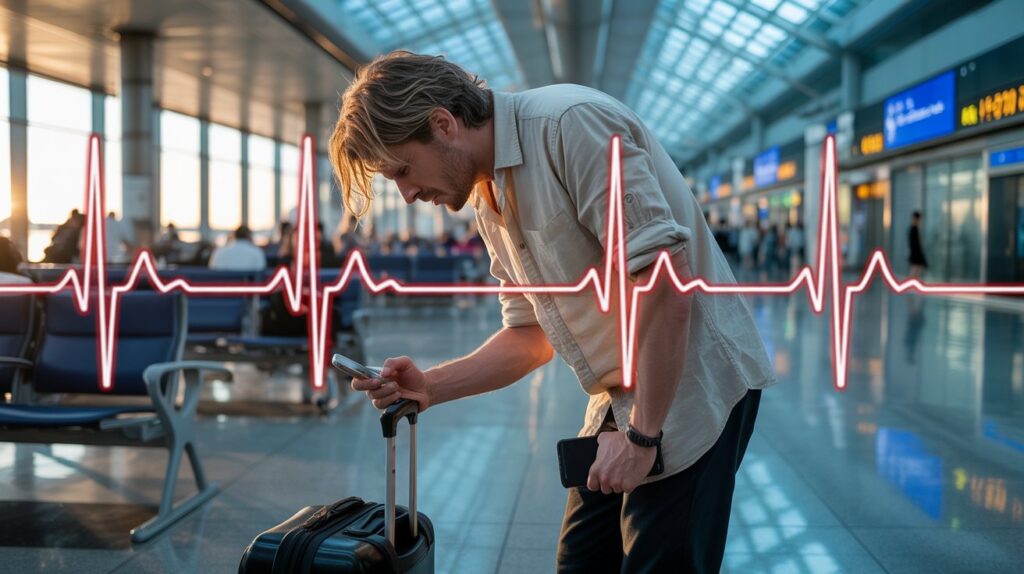
Vacations are meant for relaxation, celebration, and disconnecting from daily life. Yet medical evidence shows a surprising and dangerous pattern. Heart attack cases spike during holiday seasons and vacations across the world. This increase is so consistent that many cardiologists refer to it as the Holiday Heart Effect, a globally observed rise in cardiovascular events during festive periods.
This spike is not limited to cold countries. Even in regions where holidays occur during summer, heart attack frequency still rises. The pattern is universal, pointing to behavioral, psychological, and physiological triggers rather than weather alone.
TLDR — Key takeaways
- Heart attacks spike during vacations due to combined stress, disrupted sleep, heavy meals, alcohol, dehydration, and travel related strain.
- Stress hormones and plaque instability increase blood pressure, inflammation, and clotting risk, making vulnerable arteries rupture.
- High risk individuals include seniors, diabetics, hypertensive patients, smokers, obese people, and those with existing or undiagnosed heart disease.
- Prevention: manage stress, take medications properly, maintain hydration and sleep, limit alcohol, avoid overeating, and recognize symptoms early.
Why Heart Attack Risk Rises During Holidays
The primary drivers of vacation related heart attacks are not random. They stem from a combination of stress, sleep disruption, overeating, alcohol, dehydration, lack of physical activity, medication lapses, and sudden exertion. These factors converge and overstimulate the cardiovascular system at the exact time people are most relaxed.
The Stress Response
Travel plans, family events, airport queues, budget pressures, gift planning and time management challenges all elevate stress levels. During stress, the body releases cortisol, adrenaline, and norepinephrine. These hormones:
- Increase heart rate
- Raise blood pressure
- Make blood thicker and more likely to clot
- Cause blood vessel constriction
- Increase inflammatory responses
This persistent physiological stress creates conditions that trigger heart attacks in vulnerable individuals.
Plaque Instability and Clot Formation
Many people have stable plaque in their arteries that causes no issues. Under emotional or physical stress, these plaques can become unstable. When plaque ruptures, a clot forms rapidly inside the artery, blocking blood flow to the heart. The result is an acute heart attack.
This mechanism explains why seemingly healthy individuals may experience cardiac events during vacations despite appearing fine weeks before.
Circadian Rhythm and Sleep Disruption
Vacations often destroy sleep schedules. Late night parties, travel, jet lag, family gatherings, and irregular routines interfere with:
- Blood pressure control
- Heart rate regulation
- Hormone secretion
- Vascular repair during sleep
People who travel across time zones face a biological shock. Misalignment in sleep cycles pushes cortisol higher and increases heart workload even without physical exertion.
Lifestyle Triggers That Intensify Vacation Risks
Alcohol Consumption and Holiday Heart Syndrome
The term Holiday Heart Syndrome was originally used to describe irregular heartbeats after binge drinking. Today doctors extend the term to include alcohol triggered heart attacks.
Binge drinking raises blood pressure, alters electrolytes, thickens the blood, and destabilizes arterial plaque. Alcohol also disrupts sleep, increases dehydration, and spikes stress hormones during recovery. Most alcohol related cardiac events happen after celebrations, not during them.
Dehydration and Electrolyte Loss
Holiday activities often include alcohol, heat exposure, walking, or flights. These factors deplete water and electrolytes without people noticing.
Signs of dangerous dehydration include:
- Increased heart rate
- Dizziness
- Sudden fatigue
- Muscle cramps
- Irregular heartbeat
Electrolyte disturbances, especially involving potassium, magnesium, sodium, and calcium, increase the risk of arrhythmias, which can escalate to cardiac arrest.
Heavy Meals and Metabolic Stress
Vacations encourage indulgence in rich foods and desserts. High calorie meals mixed with alcohol and inactivity dramatically increase cardiovascular strain.
Heavy meals cause:
- Spikes in blood pressure
- Increased blood lipids
- Redistribution of blood to the digestive system
- Sympathetic nervous system activation
- Elevated heart workload
For someone with underlying heart disease, this redistribution can cause heart muscle oxygen deficiency even without artery blockage.
Sedentary Travel and Immobility
Long flights, road trips, or hotel stays reduce daily movement. Limited mobility means:
- Higher risk of blood clots
- Poor circulation
- Stiff arteries
- Reduced oxygen delivery
Many people drastically decrease physical activity during vacations, which amplifies the risk.
Cold Exposure
Winter vacations create unique pressures. Cold constricts blood vessels, raises blood pressure, increases clotting tendency, and elevates heart workload. Shoveling snow or sudden cold weather exertion has been linked to fatal cardiac episodes in otherwise stable individuals.
Travel Related Heart Attack Triggers
Long flights
Aircraft cabins have low humidity and reduced oxygen pressure. This makes the heart pump harder to deliver adequate oxygen while also dehydrating the body.
Time zone changes
Jet lag interferes with medication schedules, sleep, digestion, and heart regulation. Missing a dose of blood pressure or diabetes medication can increase risk even in healthy adults.
Medication mistakes
Vacation schedules interrupt routines. People forget doses, reduce them, or take double accidentally. This is especially dangerous for those using:
- Blood pressure tablets
- Blood thinners
- Diabetes medication
- Anti cholesterol drugs
Who Is at Highest Risk
Some groups have a significantly higher likelihood of vacation related heart attacks.
Older Adults
People over 65 and especially seniors with reduced cardiac reserve tolerate stress poorly. The combination of food, alcohol, sleep loss, and emotional triggers is more dangerous for them.
Individuals with Diabetes
Diabetes damages blood vessels and interferes with nerve signaling. Holiday sugar spikes, medication lapses, and alcohol create unstable blood chemistry that increases clot risk.
Hypertensive Individuals
High blood pressure combined with stress, salty food, missed medications, and sleep disruption creates ideal conditions for plaque rupture.
Smokers
Smoking permanently injures the endothelium, the protective inner lining of arteries. Vacation drinking and smoking spikes amplify cardiovascular risk dramatically.
Obese Individuals
Obesity worsens inflammation, sleep apnea, insulin resistance, and physical inactivity. When these factors combine with holiday stress and overeating, risk increases sharply.
People With Known Heart Disease
Anyone diagnosed with coronary artery disease, heart failure, arrhythmia, or previous heart attack should treat vacations as a medical risk period and plan accordingly.
Holiday and Vacation Warning Signs
Fast recognition saves lives. Do not wait.
Major warning symptoms include:
- Pressure or tightness in the chest
- Pain spreading to jaw, shoulder, arm, or back
- Shortness of breath
- Sudden sweating
- Nausea or vomiting
- Rapid or irregular heartbeat
- Lightheadedness
- Extreme weakness or fatigue
Women may experience different patterns, including anxiety, dizziness, stomach discomfort, or fatigue without chest pain.
If these symptoms appear, call emergency services immediately. Do not drive yourself. Time lost equals heart muscle lost.
How to Protect Your Heart During Vacations
Holiday related heart attacks are not inevitable. Most risk can be reduced through practical choices.
Talk to Your Doctor Before Travel
Especially if you have high blood pressure, diabetes, obesity, heart disease, or are over 60. Your doctor can adjust medications, provide travel plans, and warn you about dangerous triggers.
Take Your Medication Seriously
Keep medications in original labeled containers. Pack extra. Split supply between checked and carry on luggage. Use alarms to ensure schedule adherence.
Manage Stress Proactively
Plan realistically. Do not overschedule. Practice deep breathing, mindfulness or quiet walks. Remember that vacations should reduce stress, not increase it.
Hydrate Properly
Drink water consistently throughout the day. Limit caffeine and alcohol. Use electrolytes in hot climates or after long travel.
Eat Smart
Enjoy festive food but avoid overeating. Choose grilled or baked meals. Add vegetables and fruits. Limit salt and saturated fats. Smaller meals are safer than heavy feasts.
Stay Active
Walk daily. Stretch during flights. Swim or hike gently. Avoid sudden intense exertion, especially in cold weather or at high altitudes.
Prioritize Sleep
Maintain a consistent sleep schedule. Avoid alcohol before bed. Adjust gradually to new time zones. Create a dark, quiet environment to help the heart recover.
Limit Alcohol
Alternate drinks with water. Never engage in binge drinking. Eat food when consuming alcohol. Treat alcohol as a serious cardiovascular trigger, not just a social beverage.
Final Thoughts
Vacations should bring joy and recovery, not emergency room visits. Heart attacks during holidays happen because multiple physiological stressors collide at once. These include emotional stress, dehydration, sleep disruption, heavy meals, alcohol consumption, and climate challenges.
With basic precautions, most cardiac dangers can be reduced. Plan realistically, stay hydrated, manage stress, sleep, take medications on time, and respond quickly to warning signs.
If you have a heart condition or are at high risk, consult your doctor before travel. And if heart attack symptoms appear, seek emergency help immediately. Quick action saves lives.
Read Best Stress Relaxation Ways: Proven Techniques to Reduce Anxiety and Improve Mental Health
FAQs — Why Heart Attacks Spike During Vacations
1. Why do heart attacks increase during vacations?
Heart attacks rise during vacations because people experience a combination of stress, poor sleep, heavy meals, alcohol, dehydration, and changes in routine. These factors increase blood pressure, disrupt heart rhythms, and make arteries more prone to plaque rupture.
2. Is the spike related to cold weather only?
No. Cold weather increases risk, but behavioral triggers are the biggest reason. Even countries with summer holidays see the same spike, proving that stress, lifestyle changes, alcohol, and travel are the main drivers.
3. Why do heart attacks happen after celebrations, not during them?
After celebrations, the body enters physiological rebound:
- Alcohol withdrawal
- Sleep deprivation
- Metabolic stress
- Dehydration This creates dangerous hormonal and inflammatory surges that can trigger cardiac events.
4. Does binge drinking increase heart attack risk?
Yes. Holiday Heart Syndrome is real. Binge drinking causes:
- Arrhythmias
- Blood clot formation
- Electrolyte imbalance
- Sudden blood pressure spikes These conditions can lead to acute myocardial infarction even in younger adults.
5. Why do long flights increase heart risk?
Long flights cause immobility, dehydration, oxygen level changes, and jet lag. These factors can thicken blood, disrupt heart rhythms, and increase clot risk. People with heart disease should walk regularly during flights and hydrate well.
6. Who is most vulnerable during vacations?
The highest risk groups include:
- People over 60
- Diabetics
- Hypertensive patients
- Smokers and former smokers
- Obese individuals
- People with known or undiagnosed coronary artery disease
7. Can sleep changes really trigger a heart attack?
Yes. Sleep disruption elevates stress hormones, interferes with blood pressure regulation, and reduces cardiac recovery. Jet lag and late night celebrations create the ideal environment for cardiovascular stress.
8. Are heavy meals dangerous for the heart?
Holiday meals can overload the heart. Large, fatty, salty meals cause:
- Rapid blood pressure rise
- Inflammation
- Increase in blood lipids
- Redistribution of blood away from the heart These can trigger demand ischemia or plaque rupture in vulnerable individuals.
9. What symptoms of a heart attack should I watch for?
Seek emergency help immediately if you experience:
- Chest pressure, tightness, or burning
- Pain spreading to arm, jaw, back, or stomach
- Shortness of breath
- Nausea or sweating
- Dizziness or unusual fatigue Do not wait to see if symptoms improve.
10. How can I reduce heart attack risk during vacation?
- Take your medications on time
- Avoid binge drinking
- Stay hydrated
- Get 7–9 hours of sleep
- Eat moderate portions
- Walk or move daily
- Manage stress with realistic expectations
- Seek medical help if symptoms appear