
Best Speakers to Buy: The Ultimate Guide for Every Budget and Use Case
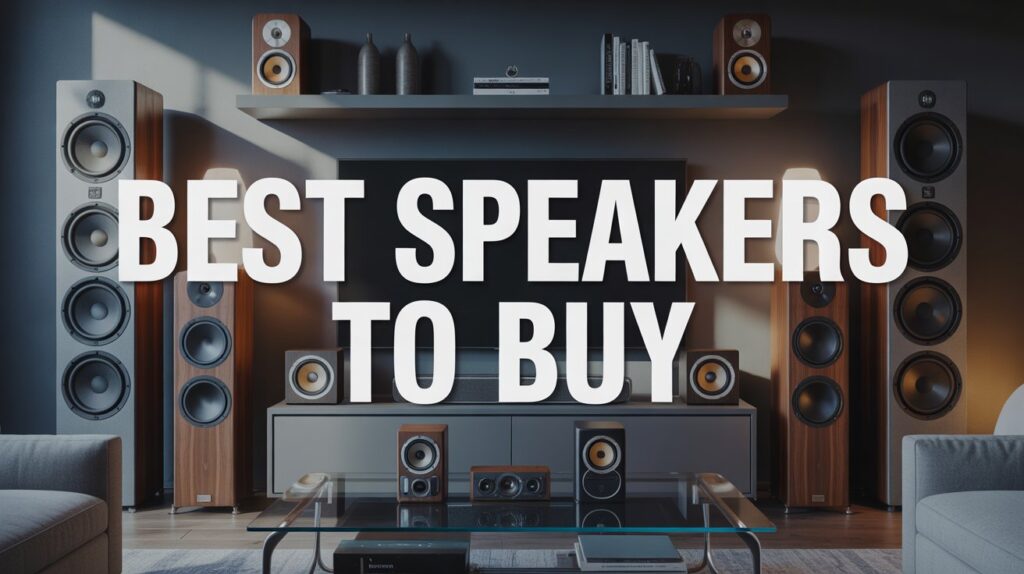
Choosing the right speakers isn’t just about volume. It’s about your space, how you listen, and the devices you connect. This guide breaks down the best speakers to buy across categories—Bluetooth, smart speakers, bookshelf, floorstanding home theatre options, soundbars, and studio monitors. Each section explains real world performance, durability, and which users benefit most.
TL;DR — Quick Summary
- Choose speakers based on use case and room size, not just price or brand.
- Bluetooth speakers = portability, outdoor use, and casual listening.
- Bookshelf and floorstanding speakers = best sound quality, require proper placement and amplification.
- Soundbars for TV and movies, studio monitors for editing and music production.
Portable Bluetooth Speakers
Portable speakers are ideal for anyone who wants music indoors or outdoors without wires. They prioritize portability, rugged builds, and strong battery life.
JBL Flip 7
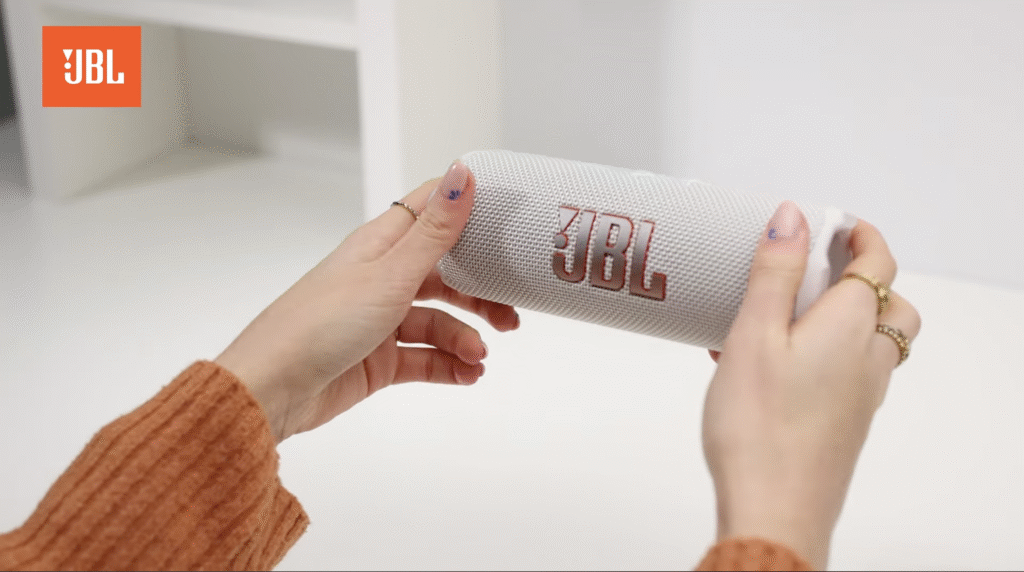
Image credits to JBL
The JBL FLIP 7 is a balanced all-rounder portable speaker that delivers strong mid-bass, clear vocals, and sharp treble. It performs well at mid to high volumes, though very high volumes may compress sound slightly. The IP68 rating makes it waterproof and dustproof, suitable for rough or outdoor use. The speaker doubles as a power bank and can handle travel, hiking, picnics, and poolside sessions.
Best for: Travelers, outdoor users, students, portable setups.
Pros
- Long battery life
- Rugged build
- Customizable EQ through app
- Power bank functionality
Cons
- Single speaker setup
- Compression at max volumes
- No 360 degree sound
Bose SoundLink Flex 2
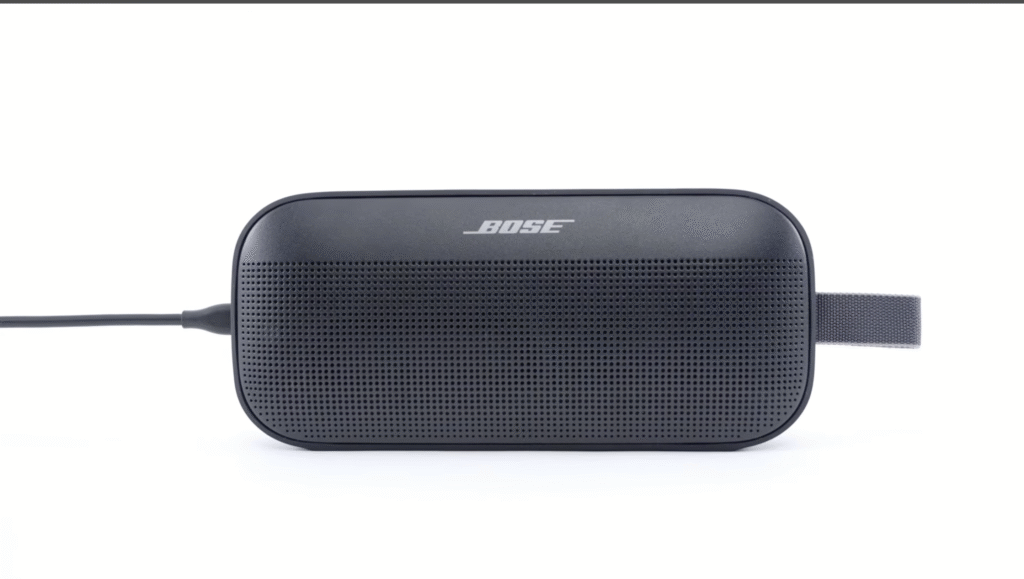
This Bose SoundLink Flex 2 favors clarity and warmth over aggressive bass. It maintains very clean audio at normal to mid volumes and is ideal for indoor rooms, study sessions, small balconies, or casual outdoor listening. The silicone wrapped design makes it shock and water resistant.
Best for: Clean vocals, podcasts, minimalists, small gatherings.
Pros
- Premium build
- Clear vocal reproduction
- Compact and easy to carry
Cons
- Limited EQ control
- Not designed for party volumes
Tribit StormBox Pro
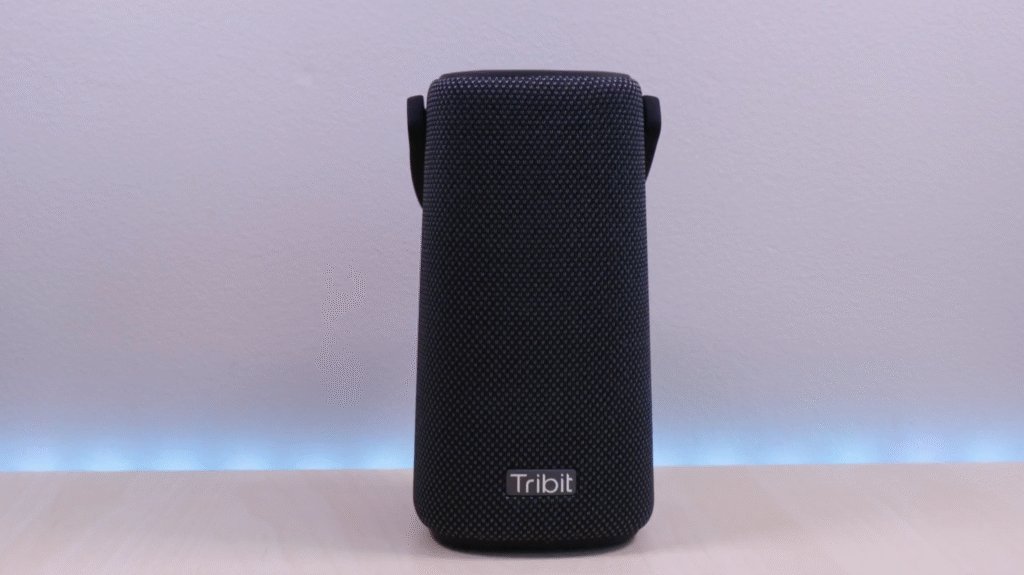
Tribit StormBox Pro is a performance-leaning 360-degree speaker with energetic sound and strong bass response. Its enhanced bass mode is ideal for outdoor gatherings or open environments. The cylindrical build is rugged with excellent battery life for long trips. At very high volumes, the bass may distort.
Best for: Outdoors, picnics, long battery use, group listening.
Pros
- Long lasting battery
- Stereo pairing
- Strong bass mode
- Good durability
Cons
- No dedicated app EQ
- Bass distortion at top volume
Smart Speakers
Smart speakers combine voice assistants with wireless connectivity and basic music listening. They’re ideal for homes that prioritize automation, commands, and convenience.
Amazon Echo Dot
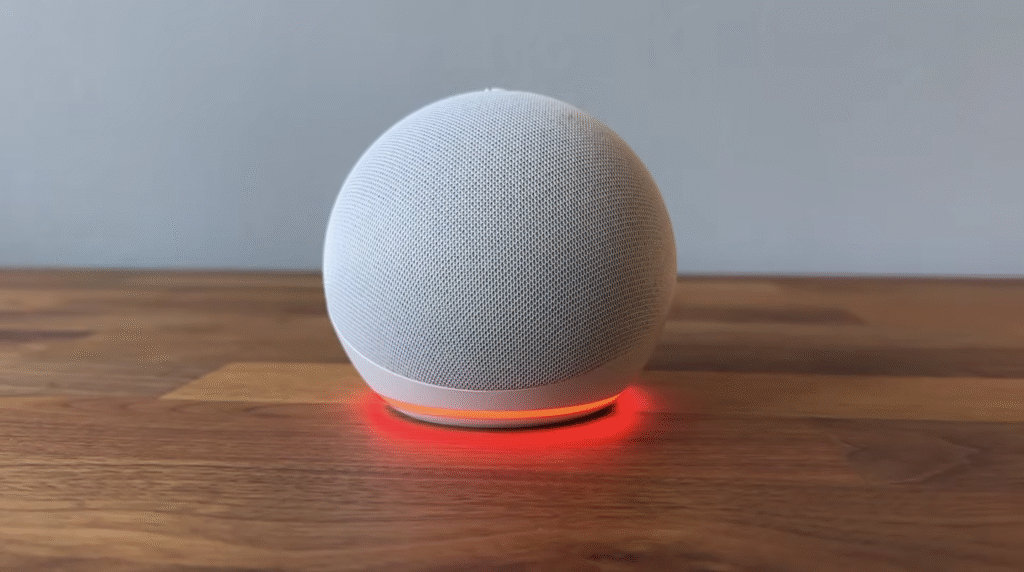
The Echo Dot is the most budget friendly smart speaker option. It’s compact, fits anywhere, and handles voice commands reliably. Sound is clear but not powerful; bass is modest and best suited for bedside or desk use.
Best for: Smart home beginners, voice assistant control, desk listening.
Pros
- Affordable
- Very reliable assistant
- Easy to set up
Cons
- Not immersive for music
- Limited bass depth
Google Nest Audio
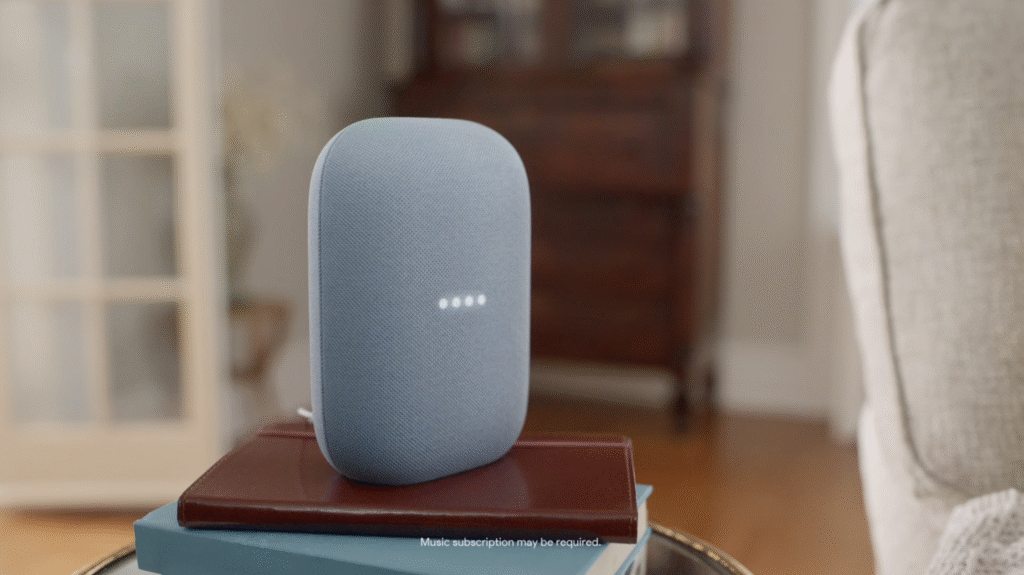
Google Nest Audio mid range model offers significantly better sound quality than the smaller Nest Mini. It can fill medium rooms easily and integrates well with Chromecast, Google Home automation, and multi room setups.
Best for: Google ecosystem, full room playback, podcasts and streaming.
Pros
- Strong sound for size
- Chromecast built in
- Multi room support
Cons
- Not as bass heavy as larger units
Apple HomePod Mini
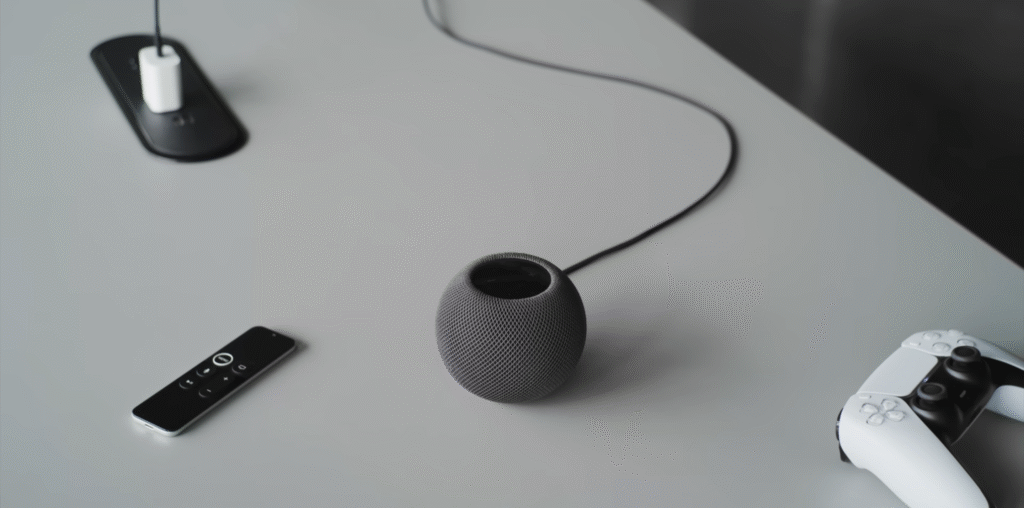
Apple’s Homepod Mini smart speaker is designed for users already within the Apple ecosystem. It has balanced sound, surprising bass output for its size, and spatial awareness that tunes audio based on placement.
Best for: Apple users, apartments, HomeKit automation.
Pros
- Premium build and audio
- Strong Apple integration
- Good near field clarity
Cons
- Limited controls with Android
- Less flexible outside Apple devices
Mi Smart Speaker
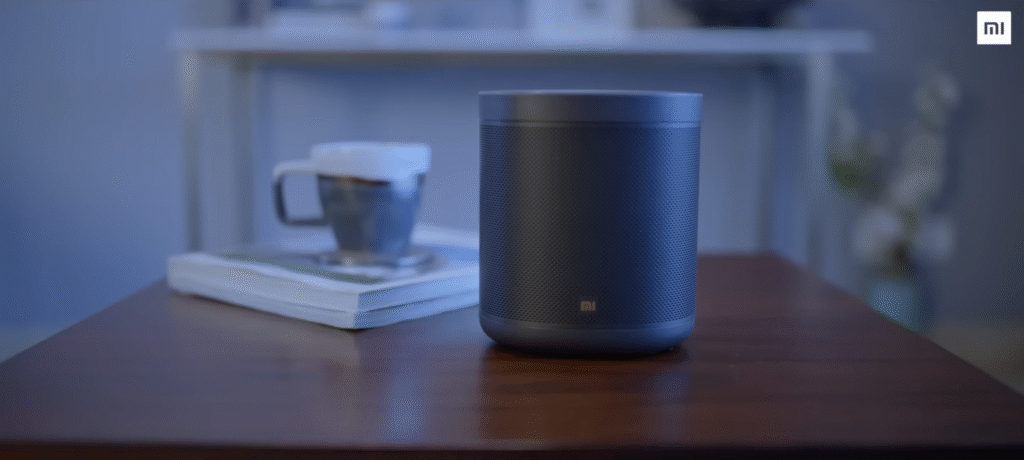
Mi Smart Speaker is a value focused smart speaker with unexpectedly strong bass and decent clarity. It works with Google Assistant and handles Hindi voice commands as well.
Best for: Budget smart homes, living rooms, casual listening.
Pros
- Very affordable
- Loud, bass forward sound
- Good for smart home beginners
Bookshelf Speakers
Bookshelf speakers deliver audiophile grade performance in smaller rooms. They need an amplifier or receiver to perform well and excel at stereo imaging and detail.
KEF Q150 / Q350
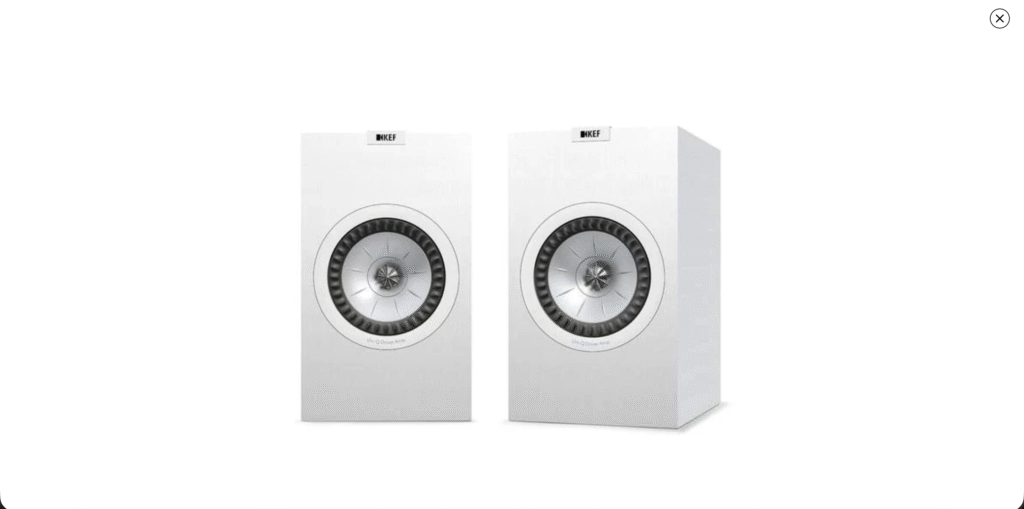
These speakers use KEF’s Uni Q driver, which places the tweeter in the center of the midrange driver. This design creates wide stereo imaging, precise vocals, and rich clarity. They benefit greatly from quality amplification and proper placement.
Best for: Audiophiles, high fidelity living rooms, acoustic music.
Pros
- Superb clarity
- Natural imaging
- Modern aesthetics
- Long lifespan
Cons
- Requires good amplifier
- Higher cost
Elac Debut B5.3
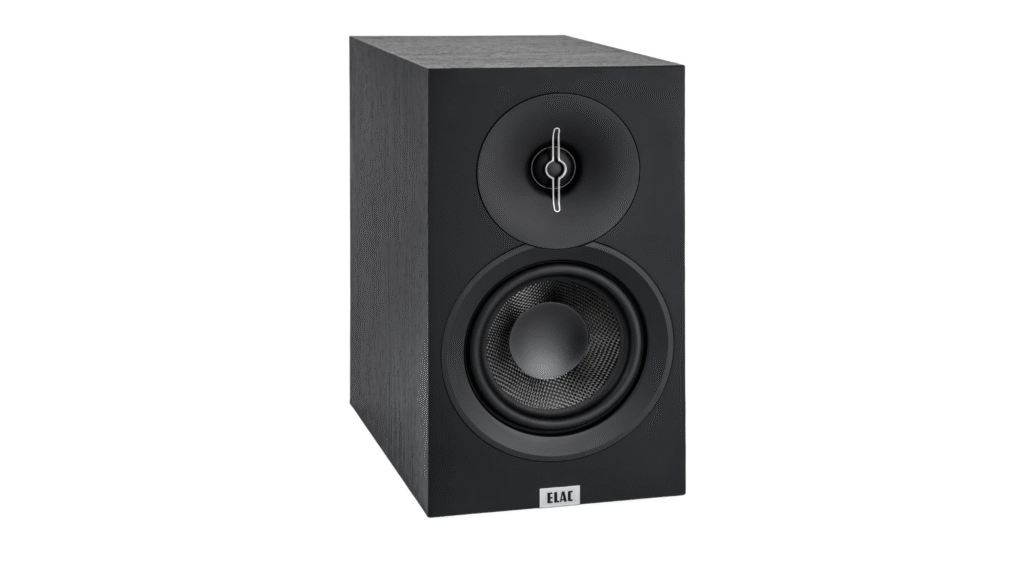
Offers high clarity, stable soundstage, and surprising bass for its size. Works well in smaller spaces or bedroom setups.
Best for: Entry audiophiles, all genre listening, compact rooms.
Pros
- Musical, rich sound
- Affordable entry into Hi Fi
- Compact footprint
Cons
- Not for very large rooms
- Requires amplifier
Floorstanding Speakers
These tower speakers deliver deeper bass, cinematic sound, and live concert scale. They require space and usually work best with amplifiers.
Sonus Faber Lumina V
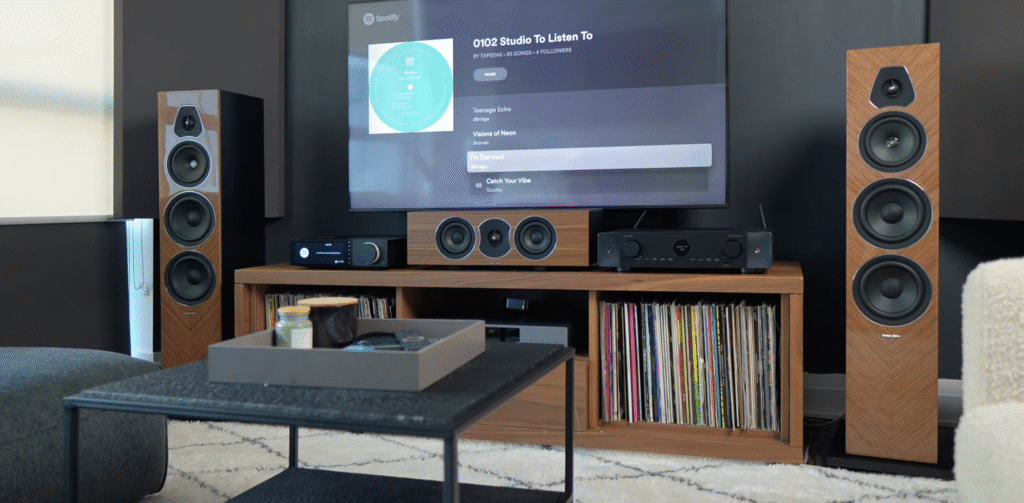
Luxury Italian floorstanders with natural tonality, wide soundstage, and effortless bass. They handle high volumes without harshness and suit large living rooms or premium home theaters.
Best for: High end setups, audiophiles, large rooms.
Pros
- Extremely refined sound
- Elegant cabinet design
- Immersive stage
Cons
- Requires quality amplification
- Significant cost and space
KEF Q950
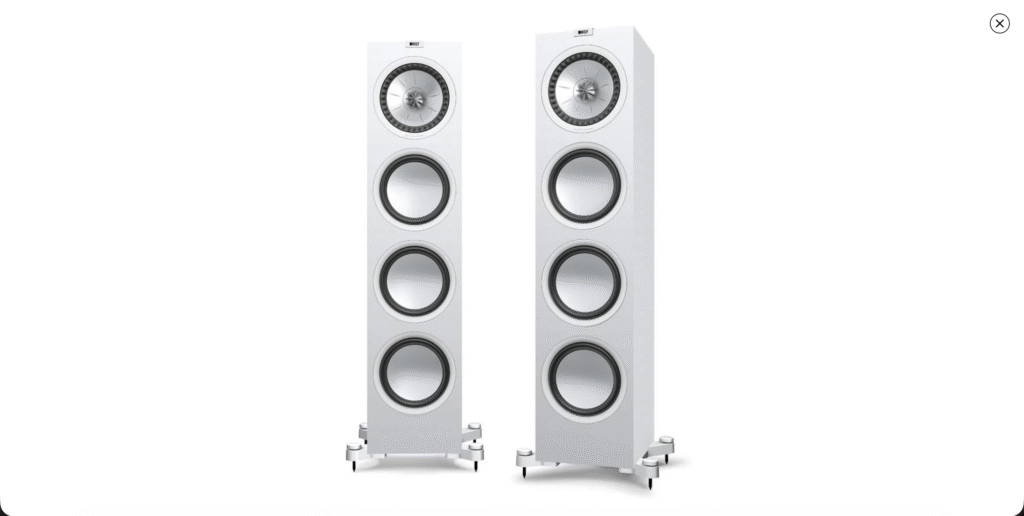
A highly capable tower speaker with tight bass, crisp highs, and great stereo cohesion. Excellent for both music and home theater.
Best for: Mixed movie/music use, open spaces.
Pros
- High output without distortion
- Versatile
- Premium audio signature
Cons
- Needs strong amplifier
- Large footprint
Polk Audio Signature Elite ES55

A fantastic value tower speaker delivering high dynamics, thick midrange, and punchy bass. Works well for films, gaming, and loud music.
Best for: Home theaters, gaming rooms, mixed entertainment.
Pros
- Strong bass
- Clear and energetic
- Easy to drive
Cons
- Bulky
- Less refined than audiophile models
Q Acoustics 5050
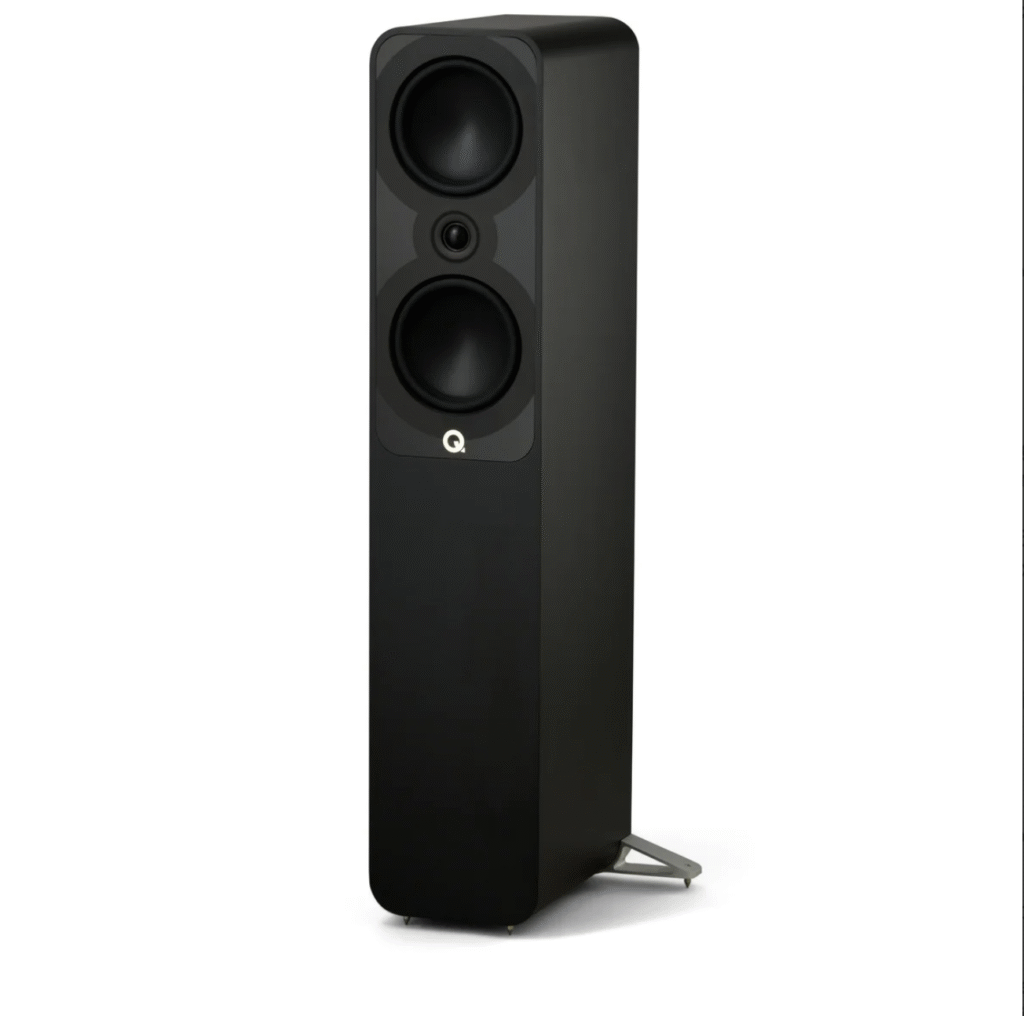
Focused on imaging and clarity rather than pure bass power. Excellent for clean, spacious sound in medium to large rooms.
Best for: Balanced listening, vocals, acoustic genres.
Soundbars
Soundbars are TV upgrades for modern homes. They deliver immersive movie sound without complex speaker systems.
Sonos Arc Ultra
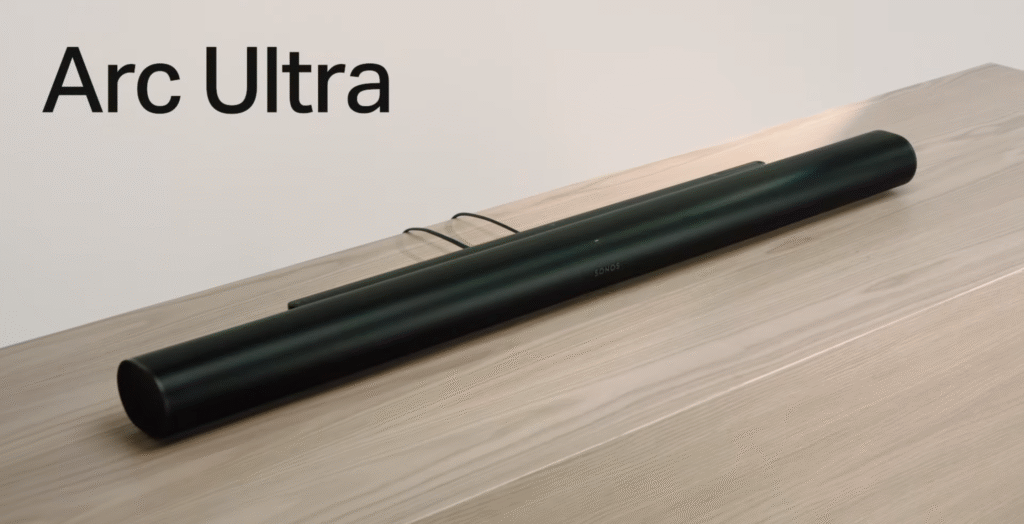
A flagship Dolby Atmos soundbar with wide spatial imaging, crystal dialogue, and strong midrange depth. When paired with a wireless sub, it becomes a mini home theatre.
Best for: Premium home cinema users, minimalist setups.
Pros
- Best in class audio
- Automatic tuning
- Expandable system
Cons
- Costly
- Limited hardware inputs
Sennheiser Ambeo Soundbar Plus
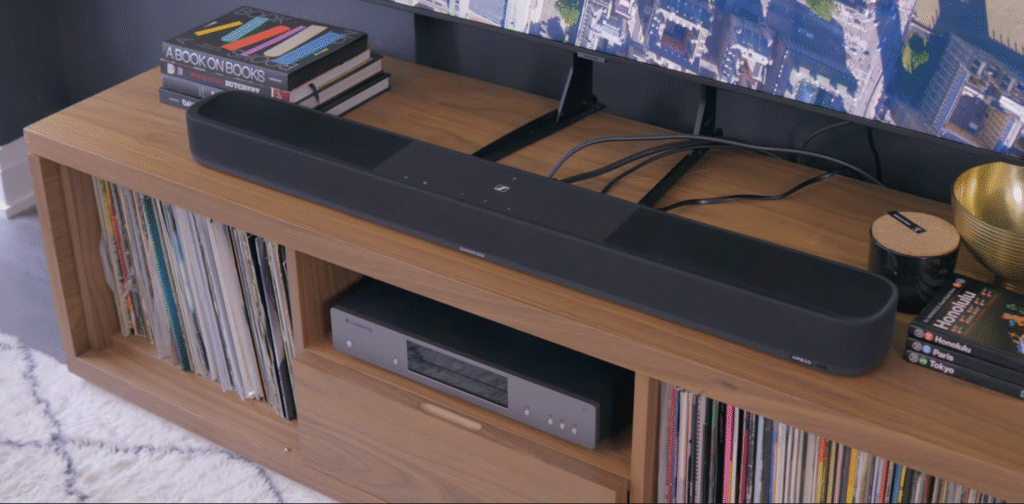
A 7.1.4 virtual Surround soundbar that produces extremely realistic directional audio without rear speakers. Great for living rooms with minimal wiring.
Best for: Audiophiles who dislike multiple speaker boxes.
Pros
- Exceptional immersion
- Room calibration
- Strong bass even without sub
Cons
- Premium price
- Large size
Budget Dolby Atmos Picks
Models from Philips, LG, and Zebronics deliver real Atmos performance for mid range budgets. They are ideal if you want cinematic impact without investing in tower speakers.
Best for: Value buyers, Indian homes, compact living rooms.
Studio Monitors
These best speakers to buy are not for casual playlist listening—they reveal flaws in recordings and deliver flat, analytical playback.
Yamaha HS5
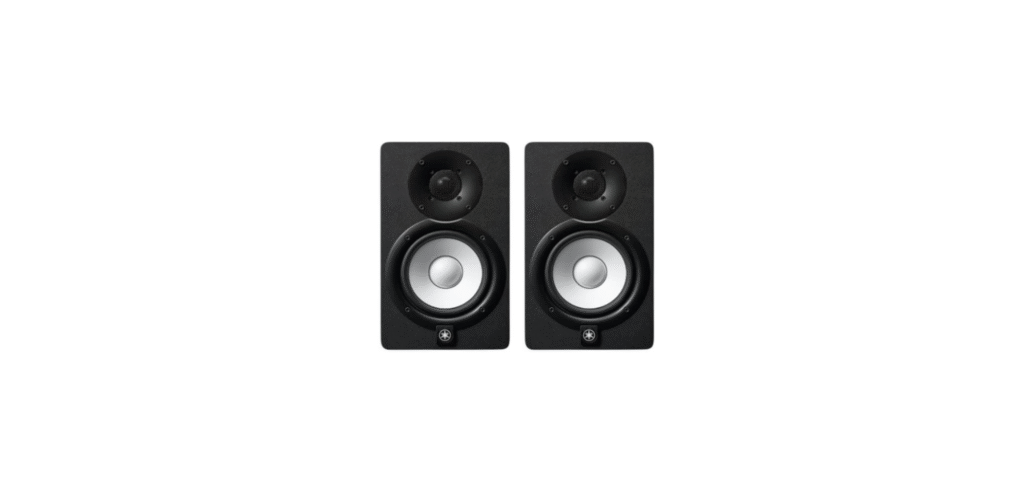
Industry standard near-field monitors with a very flat profile, often used by music producers and bedroom studio owners.
Best for: Editing, mixing, vocal work.
Pros
- Extremely accurate
- Reliable under daily use
- Ideal for reference listening
Cons
- Not bass heavy
- Requires audio interface or mixer
Quick Buying Guide
Ask yourself:
- How big is your room?
- Do you prefer music, movies, or gaming?
- Do you need portability or fixed placement?
- Are you comfortable with amplifiers, or do you want plug and play?
General rule:
Small rooms → Bookshelf or compact smart speakers
Large rooms → Floorstanders or premium soundbars
Outdoors / Travel → Bluetooth portables
Production → Studio monitors
Read: GTA 6 Delay: Updated Release Expectations, Reasons & Confirmed Leaks
Conclusion
These best speakers to buy isn’t about choosing the most expensive model it’s about finding the right fit for your environment and listening habits. Portable Bluetooth speakers like the JBL Flip series or Tribit StormBox Pro deliver durability and convenience outdoors. Smart speakers add voice control and automation, making them ideal for modern homes and everyday streaming.
FAQs — Best Speakers to Buy in 2025–2026
1. Which type of speaker should I buy for a small bedroom or study room?
Bookshelf speakers or compact smart speakers are ideal. They take up less space, deliver balanced sound, and don’t overpower the room. Bluetooth speakers can also work if portability matters.
2. Are portable Bluetooth speakers good for parties?
Yes, but only if you choose models designed for loudness and 360 degree audio. Lightweight travel speakers are great for everyday use but may struggle in larger gatherings.
3. What matters more in Bluetooth speakers: bass or battery?
It depends on use. If you want outdoor sessions or frequent travel, battery life is more important. If you want richer sound for movies or indoor listening, prioritize bass and midrange clarity.
4. Are smart speakers good for music?
Mid range smart speakers like Google Nest Audio or HomePod Mini perform well for music in small to- edium rooms. Entry level models like Echo Dot are better for voice commands and automation instead of immersive audio.
5. Do bookshelf speakers need an amplifier?
Yes. Passive bookshelf speakers require an amplifier or AV receiver. Powered bookshelf speakers are an exception, but most audiophile options perform best with dedicated amplification.
6. Floorstanding speakers vs soundbars — which is better for movies?
Floorstanding speakers provide cinema like scale and bass depth. Soundbars offer convenience, easy setup, and modern features like Dolby Atmos. Choose based on space and wiring tolerance.
7. Is it worth buying high end floorstanding speakers?
If you listen critically, host movie nights, or want a dedicated media room, yes. They deliver stronger bass, better imaging, and a more immersive experience than smaller speakers.
8. Can studio monitors replace regular speakers?
They can, but they aren’t designed for casual listening. Studio monitors expose flaws and are very flat sounding. They work best for music creation, mixing, or video editing.
9. Do premium speakers always sound better?
Not necessarily. Room size, placement, content quality, and amplifier power matter as much as price. A well placed mid range setup often outperforms an expensive speaker in a bad environment.
10. Do I need a subwoofer?
For movies, action gaming, or bass heavy music, yes. For podcasts, vocals, or moderate music listening, a subwoofer is optional. Floorstanding speakers often reduce the need for one.