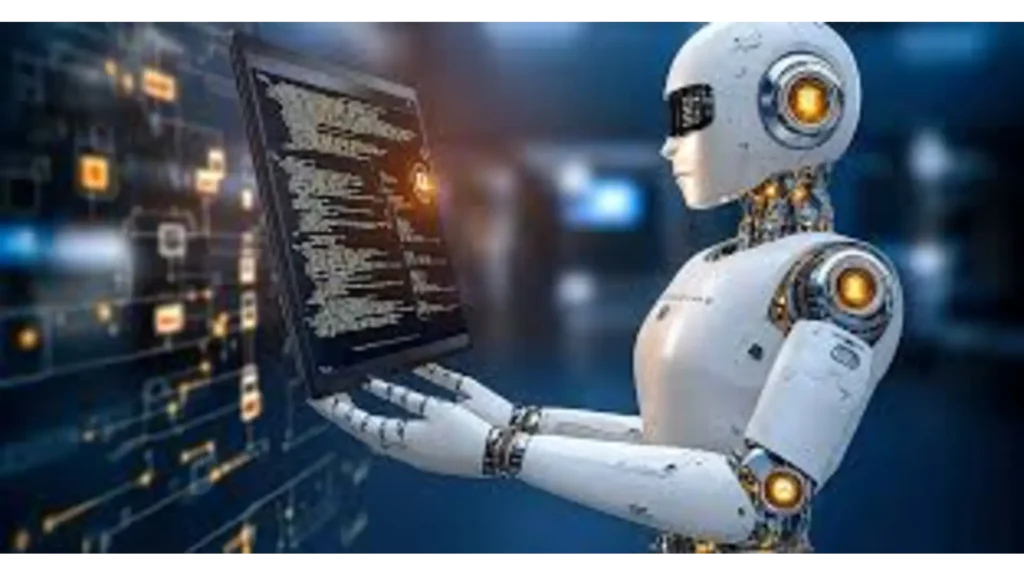
Artificial Intelligence may be transforming software at record speed, but the real test of AI’s future lies in hardware—humanoid robots, autonomous vehicles, and intelligent machines that bring algorithms into the physical world. That’s why all eyes are on TechCrunch Disrupt 2025, happening from October 27–29 in San Francisco, where Waabi’s Raquel Urtasun and Apptronik’s Jeff Cardenas will take the AI Stage to share how intelligence is being put into motion.
This discussion is more than just about technology—it’s about how robotics and self-driving platforms will reshape industries, jobs, and infrastructure in the coming decade. If you’re interested in the future of AI hardware, this is a session worth following closely.
AI Meets Real-World Physics
Unlike pure software, AI-powered machines must deal with unpredictable environments, human interactions, and physical limitations. At Disrupt 2025, the session will explore:
- Simulation & Testing – Why virtual environments are crucial for training self-driving cars and robots.
- Sensors & Perception – How advanced cameras, LiDAR, and real-time data fusion help machines “see” the world.
- Safety & Scaling – The challenges of taking robotics from controlled labs to unpredictable streets and factories.
Waabi, a pioneer in autonomous driving, is known for its cutting-edge simulation platforms that drastically reduce the need for on-road testing. Apptronik, meanwhile, has made headlines for its humanoid robots designed for industrial labor, logistics, and even healthcare support.
Together, they’ll share how AI hardware is bridging the gap between digital intelligence and physical reality.
Why This Session Matters at TechCrunch Disrupt 2025
The robotics and autonomous systems market is expected to exceed $260 billion by 2030 (McKinsey). But the path to mainstream adoption isn’t straightforward.
This session will matter because it tackles the three biggest questions surrounding AI hardware:
- How do we safely integrate AI into everyday life?
Robots and AVs must not only work efficiently but also earn public trust. - What industries will benefit first?
From warehousing and manufacturing to ride-hailing and urban mobility, early adopters could see exponential gains. - How do we handle the labor shift?
Intelligent machines could ease shortages in sectors like logistics while raising new questions about workforce adaptation.
By exploring these challenges, Waabi and Apptronik will highlight both the breakthroughs and bottlenecks shaping tomorrow’s AI-powered world.
The Rise of Humanoids and Autonomous Vehicles
Both humanoid robots and self-driving systems are advancing at an unprecedented pace. Here’s how they compare in terms of adoption and future potential:
Humanoid Robots
- Designed for human-like mobility in workplaces.
- Ideal for warehouse automation, healthcare, and heavy lifting.
- Key challenge: balancing safety, cost-efficiency, and agility.
Autonomous Vehicles (AVs)
- Built for urban transportation and logistics.
- Potential to reduce accidents by up to 90% (NHTSA).
- Biggest hurdles: regulation, infrastructure readiness, and ethical AI decisions.
At Disrupt 2025, expect live discussions on the convergence of these two fields, where humanoids may load goods that AVs deliver—creating an automated supply chain from end to end.
Key Takeaways for Startups and Investors
For startups, founders, and VCs, this session offers valuable insights:
- Startups: Learn how to build AI-driven hardware with scalable business models.
- Founders: Understand what investors look for in robotics and AV pitches.
- Investors: Discover which technologies are closest to commercial readiness.
- Innovators: See how AI hardware could transform cities, hospitals, and factories in the next five years.
Pro Tip: If you’re attending TechCrunch Disrupt 2025, register early to save up to $668 before September 26, 11:59 PM PT.
How AI Hardware is Changing the Future of Industry
The impact of robotics and autonomous systems will stretch across multiple industries:
- Logistics & Supply Chain: Automated delivery fleets and robotic warehouse workers.
- Healthcare: Humanoids assisting with elderly care and hospital logistics.
- Transportation: Safer, more efficient roads with AI-powered vehicles.
- Manufacturing: Smart factories running 24/7 with robotic labor.
This session will help businesses prepare for these AI-driven transformations, ensuring they adapt rather than fall behind.
Related Reading on PreviewKart
- How AI Is Reshaping the Future of Work
- Top Robotics Startups to Watch in 2025
- Autonomous Vehicles: Challenges and Opportunities
Call to Action
The future of AI hardware isn’t just about machines—it’s about the future of human progress. If you’re a startup founder, investor, or innovator, don’t miss this opportunity to learn directly from the leaders shaping the robotics and AV revolution.
👉 Register today for TechCrunch Disrupt 2025 and claim your front-row seat to the future of intelligent machines.
FAQs About AI Hardware and Robotics
1. What is the biggest challenge in humanoid robot development?
The main challenge lies in creating safe, cost-effective robots that can adapt to unpredictable human environments while maintaining agility.
2. How close are we to fully autonomous vehicles?
While AVs are already being tested in select cities, widespread deployment depends on regulatory approval, infrastructure, and public acceptance.
3. Will AI hardware replace human jobs?
AI hardware will likely augment human work rather than fully replace it, filling labor gaps in sectors like logistics, eldercare, and manufacturing.
4. What makes Waabi and Apptronik stand out?
Waabi is pushing the limits in autonomous driving simulation, while Apptronik focuses on humanoid robots built for real-world industrial use.
5. Why is TechCrunch Disrupt 2025 important for AI startups?
It’s a global stage for founders and investors, offering exposure, networking, and insights into the next big wave of AI innovation